Vertex AI is now Gemini Enterprise Agent Platform! We are currently updating our content to reflect this change. Please bear with us if you encounter naming inconsistencies during this transition.
Google Cloud 콘솔에서 기술 적용
Mark Shay
회원 가입일: 2020
다이아몬드 리그
72973포인트
BigQuery로 임베딩, 벡터 검색, RAG 만들기
Earned 5월 18, 2026 EDT
Vertex AI로 머신러닝 작업(MLOps): 모델 평가
Earned 5월 18, 2026 EDT
Gemini CLI로 앱 개발 가속화
Earned 5월 18, 2026 EDT
BigQuery 머신러닝을 사용한 추론
Earned 5월 1, 2026 EDT
데이터 과학자와 분석가를 위한 Gemini
Earned 5월 1, 2026 EDT
Gemini 및 Streamlit으로 생성형 AI 앱 개발하기
Earned 4월 17, 2026 EDT
멀티 에이전트 아키텍처 배포
Earned 4월 15, 2026 EDT
BigQuery의 Gemini로 생산성 향상
Earned 4월 9, 2026 EDT
Digital Transformation with Google Cloud
Earned 4월 8, 2026 EDT
Model Armor: 안전한 AI 배포
Earned 4월 8, 2026 EDT
Build AI Agents with Enterprise Databases
Earned 4월 7, 2026 EDT
에이전트 개발 키트(ADK) 및 Agent Engine으로 멀티 에이전트 시스템 배포하기
Earned 4월 7, 2026 EDT
Vertex AI와 Flutter를 활용하여 생성형 AI 에이전트 빌드하기
Earned 3월 27, 2026 EDT
Cloud Run으로 AI 모델 배포 및 확장하기
Earned 3월 27, 2026 EDT
Google Cloud에서 생성형 AI를 사용한 웹사이트 현대화
Earned 3월 27, 2026 EDT
Google Cloud에서 생성형 AI 앱 만들기
Earned 3월 26, 2026 EDT
엔드 투 엔드 SDLC를 위한 Gemini
Earned 3월 26, 2026 EDT
Gemini Code Assist로 앱 개발 시작하기
Earned 3월 24, 2026 EDT
에이전트 기초
Earned 3월 23, 2026 EDT
조직을 위한 Gemini Code Assist 구성하기
Earned 3월 20, 2026 EDT
Gemini Code Assist로 앱 개발 간소화
Earned 3월 19, 2026 EDT
Unlock Insights with NotebookLM
Earned 3월 19, 2026 EDT
Google Cloud 에이전트 이해하기
Earned 3월 13, 2026 EDT
Enterprise 에이전트 및 사용 사례
Earned 3월 11, 2026 EDT
나의 첫 Gemini Enterprise 애플리케이션 만들기
Earned 3월 11, 2026 EDT
Gemini Enterprise 소개
Earned 3월 11, 2026 EDT
애플리케이션 개발자를 위한 Gemini
Earned 3월 10, 2026 EDT
바이브 코딩과 MCP를 활용하여 스마트한 클라우드 애플리케이션 빌드하기
Earned 3월 10, 2026 EDT
에이전트 개발 키트(ADK)로 나의 첫 에이전트 빌드
Earned 3월 10, 2026 EDT
Build intelligent agents with Agent Development Kit (ADK)
Earned 2월 24, 2026 EST
How to Use TPUs for Inference
Earned 1월 29, 2026 EST
Architecting an AI Inference Stack
Earned 1월 29, 2026 EST
애플리케이션에 맞는 Google Cloud 데이터베이스 선택하기
Earned 9월 5, 2025 EDT
[CEPF L300 Course]: Databases
Earned 7월 29, 2025 EDT
Gemini Enterprise로 더 신속하게 지식 교환
Earned 3월 4, 2025 EST
GCC Tech Learning Packs - Streaming Analytics - SME Academy
Earned 1월 15, 2025 EST
개발자를 위한 책임감 있는 AI: 해석 가능성 및 투명성
Earned 8월 14, 2024 EDT
생성형 AI를 위한 머신러닝 작업(MLOps)
Earned 8월 13, 2024 EDT
개발자를 위한 책임감 있는 AI: 공정성 및 편향
Earned 8월 13, 2024 EDT
Gemini 멀티모달 및 멀티모달 RAG로 리치 문서 검사하기
Earned 8월 13, 2024 EDT
벡터 검색 및 임베딩
Earned 7월 31, 2024 EDT
특성 추출
Earned 4월 16, 2024 EDT
GCC Technical Specialty Learning Packs - Data Analytics - Prerequisites
Earned 4월 2, 2024 EDT
책임감 있는 AI: Google Cloud를 통한 AI 원칙 적용하기
Earned 3월 5, 2024 EST
Generative AI Fundamentals - 한국어
Earned 3월 5, 2024 EST
책임감 있는 AI 소개
Earned 3월 5, 2024 EST
Google Cloud에서 일괄 데이터 파이프라인 빌드하기
Earned 2월 29, 2024 EST
Knowledge Catalog로 데이터 메시 빌드하기
Earned 2월 28, 2024 EST
Google Cloud에서 ML API용으로 데이터 준비하기
Earned 2월 27, 2024 EST
BigQuery로 데이터 웨어하우스 빌드
Earned 2월 22, 2024 EST
Dataflow를 사용한 서버리스 데이터 처리: 운영
Earned 2월 16, 2024 EST
Getting Started with MongoDB Atlas on Google Cloud
Earned 12월 12, 2023 EST
Lakehouse 데이터의 메타데이터 및 검색 기능 강화
Earned 12월 11, 2023 EST
Cloud Spanner 이해하기
Earned 11월 27, 2023 EST
GCC Technical Specialty Learning Packs - Data Management - Specialty
Earned 11월 21, 2023 EST
GCC Technical Specialty Learning Packs - Data Management - Prerequisites
Earned 11월 21, 2023 EST
Rapid Migration & Modernization Program
Earned 11월 21, 2023 EST
Innovating with Data and Google Cloud
Earned 10월 24, 2023 EDT
Preparing for your Professional Data Engineer Journey
Earned 10월 19, 2023 EDT
Vertex AI Studio 소개
Earned 8월 23, 2023 EDT
이미지 캡셔닝 모델 만들기
Earned 8월 23, 2023 EDT
인코더-디코더 아키텍처
Earned 8월 23, 2023 EDT
이미지 생성 소개
Earned 8월 23, 2023 EDT
Knowledge Catalog를 통한 데이터 정리 및 거버넌스
Earned 6월 13, 2023 EDT
생성형 AI 입문자 - Agent Platform
Earned 5월 17, 2023 EDT
Transformer 모델 및 BERT 모델
Earned 5월 11, 2023 EDT
어텐션 메커니즘
Earned 5월 11, 2023 EDT
대규모 언어 모델 소개
Earned 5월 11, 2023 EDT
생성형 AI 소개
Earned 5월 11, 2023 EDT
GCC Technical Specialty Learning Packs - Data Analytics - Prerequisites
Earned 1월 4, 2023 EST
GCC Technical Specialty Learning Packs - Data Management - Prerequisites
Earned 1월 4, 2023 EST
PostgreSQL용 Cloud SQL 인스턴스 만들고 관리하기
Earned 1월 4, 2023 EST
AlloyDB 인스턴스 만들고 관리하기
Earned 10월 17, 2022 EDT
NetApp: Build, Protect and Govern your Data Infrastructure On Google Cloud
Earned 9월 8, 2022 EDT
#GoogleClout Set 5 (4/10)
Earned 9월 2, 2022 EDT
Creating Infrastructure on Google Cloud with Terraform
Earned 8월 18, 2022 EDT
Bigtable 인스턴스 만들고 관리하기
Earned 8월 18, 2022 EDT
#GoogleClout Set 2, 1/10
Earned 8월 12, 2022 EDT
Cloud Spanner 인스턴스 만들고 관리하기
Earned 8월 12, 2022 EDT
DEPRECATED Explore Machine Learning Models with Explainable AI
Earned 8월 11, 2022 EDT
Google Cloud 비용 최적화
Earned 8월 9, 2022 EDT
BigQuery 데이터에서 인사이트 도출
Earned 6월 29, 2022 EDT
Modernize Infrastructure and Applications with Google Cloud
Earned 6월 27, 2022 EDT
Google 데이터 클라우드로 데이터 공유하기
Earned 6월 27, 2022 EDT
Using Vault on Google Cloud
Earned 6월 24, 2022 EDT
Exploring and Preparing your Data with BigQuery
Earned 6월 23, 2022 EDT
Achieving Advanced Insights with BigQuery
Earned 6월 23, 2022 EDT
Creating New BigQuery Datasets and Visualizing Insights
Earned 6월 23, 2022 EDT
Cloud Logging
Earned 6월 17, 2022 EDT
Google Cloud에서 Machine Learning API 사용하기
Earned 6월 14, 2022 EDT
Exploring Data Transformation with Google Cloud
Earned 6월 12, 2022 EDT
Google Cloud 네트워크 개발
Earned 6월 10, 2022 EDT
Advanced ML: ML Infrastructure
Earned 6월 9, 2022 EDT
Google Workspace Essentials
Earned 6월 9, 2022 EDT
Workspace: Add-ons
Earned 6월 8, 2022 EDT
Google Cloud Run Serverless Workshop
Earned 6월 8, 2022 EDT
Cloud Development
Earned 6월 8, 2022 EDT
Data Science on Google Cloud: Machine Learning
Earned 6월 7, 2022 EDT
DevOps 필수 정보
Earned 6월 7, 2022 EDT
Data Lake Modernization (Hadoop) on GCP
Earned 5월 27, 2022 EDT
Serverless Data Processing with Dataflow: Develop Pipelines
Earned 5월 27, 2022 EDT
Data Warehousing for Partners: Data Warehouse Migration with BigQuery
Earned 5월 20, 2022 EDT
Google Cloud Platform Fundamentals: Core Infrastructure
Earned 5월 19, 2022 EDT
Data Lake Modernization on Google Cloud
Earned 5월 18, 2022 EDT
Inside Track: SQL Server - Advanced
Earned 5월 17, 2022 EDT
Smart Analytics, Machine Learning, and AI on Google Cloud - 한국어
Earned 5월 17, 2022 EDT
Google Cloud에서 스트리밍 데이터 파이프라인 빌드하기
Earned 5월 17, 2022 EDT
Google Cloud에서 데이터 레이크와 데이터 웨어하우스 빌드하기
Earned 5월 17, 2022 EDT
DEPRECATED Exploring APIs
Earned 5월 13, 2022 EDT
Looker에서 LookML 객체 빌드
Earned 5월 11, 2022 EDT
Looker에서 고급 LookML 개념 적용하기
Earned 5월 10, 2022 EDT
Looker 대시보드 및 보고서를 위해 데이터 준비하기
Earned 5월 9, 2022 EDT
BigQuery ML로 ML 모델 만들기
Earned 4월 22, 2022 EDT
보안 및 ID 기초
Earned 4월 12, 2022 EDT
안전한 Google Cloud 네트워크 빌드
Earned 4월 11, 2022 EDT
Google Cloud Managed Service for Prometheus 환경 모니터링
Earned 4월 11, 2022 EDT
Enterprise Database Migration
Earned 4월 9, 2022 EDT
[DEPRECATED] Building Advanced Codeless Pipelines on Cloud Data Fusion
Earned 4월 6, 2022 EDT
Google Cloud 네트워크 설정
Earned 4월 4, 2022 EDT
Google Developer Essentials
Earned 4월 4, 2022 EDT
DEPRECATED IoT in the Google Cloud
Earned 4월 3, 2022 EDT
DEPRECATED Applying BigQuery ML's Classification, Regression, and Demand Forecasting for Retail Applications
Earned 4월 2, 2022 EDT
Document AI로 데이터 캡처 자동화하기
Earned 4월 2, 2022 EDT
DEPRECATED Anthos Service Mesh
Earned 4월 2, 2022 EDT
VM Migration
Earned 4월 1, 2022 EDT
DEPRECATED Network Performance and Optimization
Earned 3월 30, 2022 EDT
Baseline: Deploy & Develop
Earned 3월 30, 2022 EDT
클라우드 엔지니어링
Earned 3월 29, 2022 EDT
[DEPRECATED] Deploying Applications
Earned 3월 29, 2022 EDT
Intermediate ML: TensorFlow on Google Cloud
Earned 3월 28, 2022 EDT
머신러닝용 BigQuery
Earned 3월 28, 2022 EDT
Managing Cloud Infrastructure with Terraform
Earned 3월 28, 2022 EDT
기준: 인프라
Earned 3월 26, 2022 EDT
Automate Deployment and Manage Traffic on a Google Cloud Network
Earned 3월 26, 2022 EDT
DEPRECATED Google Cloud's Operations Suite
Earned 3월 25, 2022 EDT
Google Cloud의 Kubernetes
Earned 3월 25, 2022 EDT
DEPRECATED Cloud Architecture
Earned 3월 23, 2022 EDT
Cloud Data Fusion에서 노 코드 파이프라인 빌드하기
Earned 2월 24, 2022 EST
Getting Started with Apache Kafka and Confluent Platform on Google Cloud
Earned 1월 29, 2022 EST
Deprecated Kubernetes Solutions
Earned 1월 19, 2022 EST
DEPRECATED Windows on Google Cloud
Earned 1월 17, 2022 EST
기준: 데이터, ML, AI
Earned 1월 17, 2022 EST
Understanding LookML in Looker
Earned 1월 16, 2022 EST
DEPRECATED Google Cloud Solutions II: Data and Machine Learning
Earned 1월 16, 2022 EST
Sports Analytics: Pitch Perfect BigQuery
Earned 1월 15, 2022 EST
Database Migration Service로 MySQL 데이터를 Cloud SQL로 마이그레이션하기
Earned 1월 14, 2022 EST
Migrating MySQL data to Cloud SQL using Database Migration Service
Earned 1월 14, 2022 EST
Google Cloud 기초: 핵심 인프라
Earned 1월 13, 2022 EST
Scientific Data Processing
Earned 1월 13, 2022 EST
DEPRECATED Applied Data: Blockchain
Earned 1월 12, 2022 EST
Data Science on Google Cloud
Earned 1월 11, 2022 EST
DEPRECATED BigQuery for Marketing Analysts
Earned 1월 10, 2022 EST
Dataflow를 사용한 서버리스 데이터 처리: 기초
Earned 1월 10, 2022 EST
Google Cloud Big Data and Machine Learning Fundamentals - 한국어
Earned 1월 10, 2022 EST
Preparing for your Professional Data Engineer Journey
Earned 1월 8, 2022 EST
DEPRECATED Create Conversational AI Agents with Dialogflow CX
Earned 12월 11, 2021 EST
DEPRECATED Application Development - Python
Earned 7월 27, 2020 EDT
NCAA® March Madness®: Bracketology with Google Cloud
Earned 7월 24, 2020 EDT
DEPRECATED BigQuery for Data Analysis
Earned 7월 24, 2020 EDT
DEPRECATED BigQuery Basics for Data Analysts
Earned 7월 24, 2020 EDT
Data Catalog Fundamentals
Earned 7월 24, 2020 EDT
BigQuery ML을 사용한 예측 모델링을 위한 데이터 엔지니어링
Earned 7월 24, 2020 EDT
[DEPRECATED] Data Engineering
Earned 7월 24, 2020 EDT
DEPRECATED BigQuery for Data Warehousing
Earned 7월 23, 2020 EDT
이 과정에서는 AI 할루시네이션을 완화하는 BigQuery의 검색 증강 생성(RAG) 솔루션을 살펴봅니다. 임베딩 만들기, 벡터 공간 검색, 개선된 응답 생성을 포함한 RAG 워크플로를 소개합니다. 또한 이 과정은 이러한 단계의 배경이 되는 개념을 설명하고 BigQuery를 통한 실질적인 구현 과정을 살펴봅니다. 이 과정을 마친 학습자는 BigQuery와 Gemini 및 임베딩 모델 같은 생성형 AI 모델을 사용하여 자신의 AI 할루시네이션 사용 사례를 해결하는 RAG 파이프라인을 빌드할 수 있게 됩니다.
자세히 알아보기
이 과정은 머신러닝 실무자에게 생성형 AI 모델과 예측형 AI 모델을 평가하는 데 필요한 도구, 기술, 권장사항을 제공합니다. 모델 평가는 프로덕션 단계의 ML 시스템이 안정적이고 정확하고 성능이 우수한 결과를 제공할 수 있게 하는 중요한 분야입니다.
강의 참가자는 다양한 평가 측정항목, 방법, 각각 다른 모델 유형과 작업에 적합한 애플리케이션에 대해 깊이 있게 이해할 수 있습니다. 이 과정에서는 생성형 AI 모델의 고유한 문제를 강조하고 이를 효과적으로 해결하기 위한 전략을 소개합니다. 강의 참가자는 Google Cloud의 Vertex AI Platform을 활용해 모델 선택, 최적화, 지속적인 모니터링을 위한 견고한 평가 프로세스를 구현하는 방법을 알아볼 수 있습니다.
자세히 알아보기
본 과정은 이 터미널을 위해 구축된 Gemini 기반의 생성형 AI 에이전트인 Gemini CLI를 사용하여 더욱 스마트하게 작업하고자 하는 앱 개발자와 DevOps 엔지니어를 대상으로 고안되었습니다.
이 과정에서는 Gemini CLI 설치 및 구성에 대해 설명하고 사용 사례와 보안 권장사항을 소개합니다. 명령어, 도구, MCP 서버, 확장 프로그램에 대해서도 다룹니다. 실습을 통해 Gemini CLI를 설치 및 구성하고 이를 사용하여 코드를 분석하고 앱을 빌드 및 수정해 봅니다.
자세히 알아보기
BigQuery ML을 사용한 추론, 데이터 분석가가 BigQuery ML을 사용해야 하는 이유, 사용 사례, 지원되는 ML 모델을 알아봅니다. BigQuery에서 ML 모델을 만들고 관리하는 방법도 배웁니다.
자세히 알아보기
이 과정에서는 Google Cloud의 생성형 AI 기반 파트너인 Gemini가 고객 데이터를 분석하고 제품 판매를 예측하는 데 어떤 도움이 되는지 알아봅니다. BigQuery에서 고객 데이터를 사용해 신규 고객을 식별, 분류, 개발하는 방법도 다룹니다. 실무형 실습을 통해 Gemini로 데이터 분석 및 머신러닝 워크플로가 얼마나 개선되는지 경험할 수 있습니다.
Duet AI의 이름이 Google의 차세대 모델인 Gemini로 변경되었습니다.
자세히 알아보기
중급 Gemini 및 Streamlit으로 생성형 AI 앱 개발하기 기술 배지 과정을 완료하여 텍스트 생성, Python SDK와 Gemini API를 사용한 함수 호출 적용, Cloud Run으로 Streamlit 애플리케이션 배포 작업과 관련된 기술 역량을 입증하세요. 텍스트 생성을 위해 Gemini에 프롬프트를 입력하는 여러 가지 방법과 Cloud Shell을 사용해 Streamlit 애플리케이션을 테스트하고 반복하는 방법, Streamlit 애플리케이션을 Cloud Run에 배포된 Docker 컨테이너로 패키징하는 방법을 배울 수 있습니다.
자세히 알아보기
고급 멀티 에이전트 아키텍처 배포 기술 배지를 획득하고 다음 역량을 입증하세요. 여기에는 ADK를 사용하여 멀티 에이전트 시스템을 구축하고, 에이전트 간(A2A) 프로토콜을 사용하여 에이전트를 연결하고, 모델 컨텍스트 프로토콜(MCP)을 사용하여 외부 도구를 통합하고, 에이전트 엔진에 완전한 멀티 에이전트 솔루션을 배포하는 작업이 포함됩니다.
자세히 알아보기
이 과정에서는 데이터-AI 워크플로를 지원하는 AI 기반 기능 모음인 BigQuery의 Gemini에 관해 살펴봅니다. 이러한 기능에는 데이터 탐색 및 준비, 코드 생성 및 문제 해결, 워크플로 탐색 및 시각화 등이 있습니다. 이 과정은 개념 설명, 실제 사용 사례, 실무형 실습을 통해 데이터 실무자가 생산성을 향상하고 개발 파이프라인의 속도를 높이는 데 도움이 됩니다.
자세히 알아보기
There's much excitement about cloud technology and digital transformation, but often many unanswered questions.
For example: What is cloud technology? What does digital transformation mean? How can cloud technology help your organization? Where do you even begin?
If you've asked yourself any of these questions, you're in the right place. This course provides an overview of the types of opportunities and challenges that companies often encounter in their digital transformation journey. If you want to learn about cloud technology so you can excel in your role and help build the future of your business, then this introductory course on digital transformation is for you. This course is part of the Cloud Digital Leader learning path.
자세히 알아보기
이 과정에서는 Model Armor의 필수 보안 기능을 검토하고 서비스를 사용할 수 있도록 준비합니다. LLM과 관련된 보안 위험과 Model Armor가 AI 애플리케이션을 보호하는 방법을 알아봅니다.
자세히 알아보기
Build AI agents that can leverage enterprise databases using the MCP Toolbox for Databases. You will define secure database interaction tools, and implement intelligent querying capabilities (leveraging vector embeddings, structured queries).
자세히 알아보기
이 과정에서는 Google 에이전트 개발 키트를 사용하여 복잡한 멀티 에이전트 시스템을 빌드하는 방법을 학습합니다. 학습자는 도구를 갖춘 에이전트를 빌드하고 상하위 관계 및 흐름을 사용해 여러 에이전트를 연결하여 상호작용 방식을 정의해 봅니다. 에이전트를 로컬로 실행하고 Vertex AI Agent Engine에 배포하여 인프라 결정과 Agent Engine에서 처리하는 리소스 확장에 따른 관리형 에이전트 흐름으로 실행합니다.
이 실습은 이 제품의 출시 전 버전을 기반으로 합니다. 유지보수 업데이트를 제공하는 동안에는 이러한 실습에 약간의 지연이 있을 수 있습니다.
자세히 알아보기
이 과정에서는 Google의 이식 가능한 UI 툴킷인 Flutter를 사용하여 앱을 개발하고, 앱에 Google의 생성형 AI 모델 제품군인 Gemini를 통합하는 방법을 알아봅니다. AI 에이전트와 애플리케이션을 빌드하고 관리할 수 있는 Google 플랫폼인 Vertex AI Agent Builder도 사용해 봅니다.
자세히 알아보기
AI 추론은 학습된 머신러닝 모델로 학습된 패턴을 적용하여 처음 접하는 새로운 데이터로 예측을 수행하는 프로세스입니다. 이 과정은 Cloud Run에 AI 추론 서비스를 빠르게 배포하는 데 관심이 있는 개발자, 데이터 과학자, ML 엔지니어를 대상으로 설계되었습니다. 클라우드 기반 서버리스 애플리케이션 배포 솔루션에는 익숙하지만 Google Cloud 서버리스 제품을 사용하여 AI 추론을 실행해 본 경험이 없는 사용자에게 유용한 과정입니다.
이 과정에는 GPU를 사용해 AI 추론 모델을 배포하고 생성형 AI 앱을 데이터 스토리지 서비스와 통합하는 예시가 포함되어 있습니다.
자세히 알아보기
생성형 AI로 사용자에게 더 나은 검색 경험을 제공하여 웹사이트의 탐색 경험을 향상합니다. 이 과정에서는 사용자가 웹사이트의 콘텐츠를 발견할 수 있도록 Vertex AI Search를 통해 생성형 검색 경험을 웹사이트 사용자에게 제공하는 방법을 알아봅니다. 웹사이트 편집자는 생성형 AI를 사용하여 제안을 통해 콘텐츠를 신속하고 효율적으로 번역하고 개선하는 방법을 배울 수 있습니다.
자세히 알아보기
생성형 AI 애플리케이션은 대규모 언어 모델(LLM)이 발명되기 전에는 불가능에 가까웠던 새로운 사용자 경험을 만들 수 있습니다. 어떻게 하면 애플리케이션 개발자가 생성형 AI를 사용해 Google Cloud에서 강력한 대화형 앱을 빌드할 수 있을까요?
이 과정에서는 생성형 AI 애플리케이션에 대해 알아보고 프롬프트 설계 및 검색 증강 생성(RAG)을 사용해 LLM 기반의 강력한 애플리케이션을 빌드하는 방법을 학습합니다. 생성형 AI 애플리케이션에 사용할 수 있는 프로덕션 레디 아키텍처를 살펴보고 LLM 및 RAG 기반 채팅 애플리케이션을 빌드합니다.
자세히 알아보기
이 과정에서는 Google Cloud의 생성형 AI 기반 파트너인 Gemini가 Google 제품 및 서비스를 사용해 애플리케이션을 개발, 테스트, 배포, 관리하는 데 어떤 도움이 되는지 알아봅니다. Gemini의 도움을 받아 웹 애플리케이션을 개발 및 빌드하고, 애플리케이션의 오류를 수정하고, 테스트를 개발하고, 데이터를 쿼리하는 방법을 배웁니다. 실무형 실습을 통해 Gemini로 소프트웨어 개발 수명 주기(SDLC)가 얼마나 개선되는지 경험할 수 있습니다.
Duet AI의 이름이 Google의 차세대 모델인 Gemini로 변경되었습니다.
자세히 알아보기
Gemini Code Assist로 앱 개발 시작하기 과정을 완료하여 기술 배지를 획득하세요. 이 과정에서는 Google AI 코딩 어시스턴트의 기능을 활용하는 방법을 배웁니다.
자세히 알아보기
AI 에이전트는 기존의 대규모 언어 모델(LLM)을 뛰어넘는 중대한 변화입니다. AI 에이전트는 단순히 텍스트 기반 솔루션을 생성하는 데 그치지 않고, 자율적으로 행동하여 솔루션을 실행할 수도 있습니다.
이 과정에서는 AI 에이전트에 대한 기본사항, LLM API와의 차이점, 실제로 AI 에이전트가 더하는 가치를 소개합니다. Google의 에이전트 백서를 바탕으로 한 이 과정은 에이전트 코드를 처음 작성하기 전에 필요한 이론적 토대를 제공하여 (단순한 텍스트 생성이 아닌) 자율적이고 목표 지향적인 행동의 관점에서 AI 시스템을 이해하고자 하는 개발자, 설계자, 기술 의사 결정권자에게 적합합니다.
커뮤니티 포럼에 참여하여 질문하고 토론하기
자세히 알아보기
이 과정은 Google Cloud 콘솔에 대한 기본 지식을 갖추고 있으며 조직 내에서 Gemini Code Assist 구성을 담당하는 Google Cloud 개발자 및 DevOps 엔지니어를 위해 설계되었습니다. 본 과정에서는 Gemini Code Assist의 장점을 소개하고, 다양한 Gemini Code Assist 버전별 기능을 비교합니다. 이 과정에서는 조직 내에서 Gemini Code Assist를 구성하고 관리하는 방법을 함께 소개합니다.
자세히 알아보기
모든 수준의 개발자를 위해 설계된 이 과정에서는 Google Cloud의 AI 기반 앱 개발 파트너인 Gemini Code Assist의 핵심 기능을 소개합니다. 지능형 코드 추천 및 자동 완성부터 실시간 오류 감지 및 리팩터링 지원까지, Gemini Code Assist가 어떻게 생산성을 대폭 높이고, 코드 품질을 개선하며, 더 생산적이고 흥미로운 작업에 집중할 수 있도록 소중한 시간을 절약해 주는지 알아보세요.
자세히 알아보기
In this course, you will learn how to centralize diverse sources like PDFs, web pages, and even audio files into a single, intelligent workspace. You will learn to chat with your documents to find specific information, generate instant summaries, and verify answers with AI-powered citations.
자세히 알아보기
이 과정에서는 Vertex AI Agent Builder, Gemini Enterprise, 대화형 에이전트, 에이전트 개발 키트를 포함해 Google Cloud의 에이전트 플랫폼에 대한 포괄적인 개요를 제공합니다. 학습자는 각 제품의 고유한 기능을 이해하고, 특정 사용 사례에 가장 적합한 솔루션을 구별하며, 검색 및 채팅 애플리케이션 제작에 필요한 기초 지식을 습득하게 됩니다.
자세히 알아보기
AI 에이전트가 비즈니스에 어떤 영향을 미치는지 살펴보세요. 에이전트 유형을 KPI에 매핑하고 실제 병목 현상을 해결하는 사용 사례를 알아봅니다. Gemini Enterprise로 어떻게 노 코드 솔루션부터 하이 코드 솔루션에 이르기까지 적절한 에이전트를 빌드하고 조정할 수 있는지에 대해서도 다룹니다.
자세히 알아보기
첫 번째 Gemini Enterprise 애플리케이션을 만들어 기술 배지를 획득하세요. 다양한 데이터 소스를 애플리케이션에 연결하여 강력한 통합 검색 및 분석 엔진을 빌드하세요. Deep Research 에이전트, 멀티 에이전트 아이디어 구상, 집중 분석을 위한 NotebookLM과 같은 고급 기능을 익힐 수 있습니다.
자세히 알아보기
이 과정에서는 AI 에이전트, 엔터프라이즈 검색, NotebookLM, 지능형 데이터 액세스를 결합하여 조직의 과제를 해결하는 강력한 플랫폼인 Gemini Enterprise를 소개합니다. 학습자는 실제 사례와 실습을 통해 Gemini Enterprise 기능을 실제 비즈니스 요구사항에 적용하고, 아키텍처를 설명하며, 역할에 따 데이터 액세스 및 개인 정보 보호를 처리하는 방법을 익힐 수 있습니다.
자세히 알아보기
이 과정에서는 Google Cloud의 생성형 AI 기반 공동작업 도구인 Gemini가 개발자의 애플리케이션 빌드에 어떤 도움이 되는지 알아봅니다. Gemini에 프롬프트를 입력하여 코드에 대한 설명을 얻고 Google Cloud 서비스를 추천받고 애플리케이션의 코드를 생성하는 방법을 배울 수 있습니다. 실무형 실습을 통해 Gemini로 애플리케이션 개발 워크플로가 얼마나 개선되는지 경험할 수 있습니다.
Duet AI의 이름이 Google의 차세대 모델인 Gemini로 변경되었습니다.
자세히 알아보기
"바이브 코딩과 MCP를 활용하여 스마트한 클라우드 애플리케이션 빌드하기" 과정을 완료하여 기술 배지를 획득하세요. 이 과정에서는 Google의 AI 코딩 어시스턴트와 MCP 서버의 강력한 기능을 활용하는 방법을 배울 수 있습니다.
자세히 알아보기
Google의 에이전트 개발 키트(ADK)로 첫 번째 AI 에이전트를 구축, 구성, 실행하면서 에이전트에 대한 이론을 실제로 적용해 보세요.
이 실습 중심 과정에서는 완전한 ADK 개발 환경을 설정하고, Python 코드와 YAML 구성의 두 가지 방식으로 에이전트를 생성하며, 다양한 인터페이스에서 실행하는 방법을 배우게 됩니다. 또한 에이전트 동작을 정의하는 핵심 파라미터를 학습하고 첫 번째 과정에서 배운 내용을 실제 코드에 적용합니다.
자세히 알아보기
This structured course is for developers interested in building intelligent agents using the Agent Development Kit (ADK). It combines hands-on experience, core concepts, and practical application, to provide a comprehensive guide to using ADK. You can also join our community of Google Cloud experts and peers to ask questions, collaborate on answers, and connect with the Googlers making the products you use every day.
자세히 알아보기
This course is for developers interested in learning how to use TPUs for inference—from architecture to deployment, and how to solve common implementation challenges.
자세히 알아보기
This course is designed for developers looking to build an optimized AI inference stack on Google Cloud. Whether you’re working with GPUs or TPUs, you’ll explore the fundamental components of an inference stack, learn design principles for maximizing performance and reliability, and explore practical techniques to take your workloads from 0 to 1.
자세히 알아보기
이 과정에서는 Google Cloud에서 애플리케이션을 효과적으로 개발하기 위해 니즈에 맞는 데이터베이스를 분석하고 선택하는 방법을 알아봅니다. 관계형 데이터베이스 및 NoSQL 데이터베이스를 살펴보고 Cloud SQL, AlloyDB, Spanner에 대해 자세히 알아보고 생성형 AI를 포함한 애플리케이션 요구사항에 맞게 데이터베이스의 강점을 활용하는 방법을 배웁니다. 실무형 실습을 통해 벡터 검색을 구성하고 애플리케이션을 클라우드로 마이그레이션해 봅니다.
자세히 알아보기
This Databases course consists of a series of advanced-level labs designed to validate your proficiency in migrating and managing Google Cloud databases. Each lab presents a set of the required tasks that you must complete with minimal assistance. The labs in this course have replaced the previous L300 Data Management Challenge Lab. If you have already completed the Challenge Lab as part of your L300 accreditation requirement, it will be carried over and count towards your L300 status. You must score 80% or higher for each lab to complete this course, and fulfill your CEPF L300 Database requirement. For technical issues with a Challenge Lab, please raise a Buganizer ticket using this CEPF Buganizer template: go/cepfl300labsupport
자세히 알아보기
직원들이 검색창 하나로 문서 스토리지, 이메일, 채팅, 티켓 시스템, 기타 데이터 소스에서 특정 정보를 찾을 수 있도록 설계된 강력한 도구인 Gemini Enterprise에는 Google의 전문적인 검색 및 AI 기술이 통합되어 있습니다. 또한 Gemini Enterprise 어시스턴트를 사용하면 브레인스토밍 및 조사는 물론 문서 개요를 작성하고 캘린더 일정에 동료를 초대하는 등의 작업에 도움이 되므로 직원들이 지식 관련 작업과 모든 종류의 협업을 빠르게 진행할 수 있습니다.
(Gemini Enterprise의 이전 명칭은 Google Agentspace였으며, 이 과정에서 이전 제품 이름이 언급될 수 있습니다.)
자세히 알아보기
The learning path offers a deep dive into Google Cloud's data processing solutions, including:
Dataflow
Pub/Sub
Managed Service for Apache Kafka
BigQuery Engine for Apache Flink
You'll learn how to leverage these tools to build, deploy, and troubleshoot efficient and scalable data pipelines for both batch and streaming data processing needs.
자세히 알아보기
이 과정에서는 AI 해석 가능성과 투명성의 개념을 소개합니다. 개발자와 엔지니어에게 AI 투명성이 얼마나 중요한지를 설명합니다. 데이터와 AI 모델 모두에서 해석 가능성과 투명성을 구현하는 데 도움이 되는 실용적인 방법과 도구를 살펴봅니다.
자세히 알아보기
이 과정에서는 생성형 AI 모델을 배포하고 관리할 때 MLOps팀이 직면하는 고유한 과제를 파악하는 데 필요한 지식과 도구를 제공하고 Vertex AI가 어떻게 AI팀이 MLOps 프로세스를 간소화하고 생성형 AI 프로젝트에서 성공을 거둘 수 있도록 지원하는지 살펴봅니다.
자세히 알아보기
이 과정에서는 책임감 있는 AI라는 개념과 AI 원칙을 소개합니다. 공정성과 편향을 실질적으로 식별하고 AI/ML 실무에서 편향을 완화하는 기법을 알아봅니다. Google Cloud 제품과 오픈소스 도구를 사용하여 책임감 있는 AI 권장사항을 구현하는 실용적인 방법과 도구를 살펴봅니다.
자세히 알아보기
중급 Gemini 멀티모달 및 멀티모달 RAG로 리치 문서 검사하기 기술 배지 과정을 완료하여 다음 기술 역량을 입증하세요. 멀티모달 프롬프트를 사용하여 텍스트 및 시각적 데이터에서 정보 추출, 동영상 설명 생성, Gemini의 멀티모달 기능을 사용하여 동영상은 물론 그 밖의 추가 정보 검색, 텍스트와 이미지가 포함된 문서의 메타데이터 구축, 모든 관련 텍스트 청크 가져오기, Gemini의 멀티모달 검색 증강 생성(RAG)을 사용하여 인용 문구 인쇄 등이 있습니다.
자세히 알아보기
이 과정에서는 AI 기반 검색 기술, 도구, 애플리케이션을 살펴봅니다. 벡터 임베딩을 활용하는 시맨틱 검색, 시맨틱 방식과 키워드 방식을 결합한 하이브리드 검색, 그라운딩된 AI 에이전트로서 AI 할루시네이션을 최소화하는 검색 증강 생성(RAG)에 대해 알아보세요. Vertex AI 벡터 검색을 활용해 지능형 검색 엔진을 빌드하는 실무 경험을 쌓을 수 있습니다.
자세히 알아보기
이 과정에서는 Vertex AI Feature Store 사용의 이점, ML 모델의 정확성을 개선하는 방법, 가장 유용한 특성을 만드는 데이터 열을 찾는 방법을 살펴봅니다. 이 과정에는 BigQuery ML, Keras, TensorFlow를 사용한 특성 추출에 관한 콘텐츠와 실습도 포함되어 있습니다.
자세히 알아보기
This learner pack introduces the Google Cloud big data and machine learning products and services that support the data-to-AI lifecycle. It explores the processes, challenges, and benefits of building a big data pipeline and machine learning models with Vertex AI on Google Cloud.
Goals
Identify the purpose and value of Google Cloud Data Platform
Learn about batch and streaming data pipelines
Build data lake and data warehouse
You can find all of our technical learning packs on go/techlearningpacks and industry learning packs on go/industrylearningpacks.
Brought to you by the CLS Tech Specialization Team (gcc-enablement-tech@). Share your request/feedback on go/learningpacks-feedback!
자세히 알아보기
기업에서 인공지능과 머신러닝의 사용이 계속 증가함에 따라 책임감 있는 빌드의 중요성도 커지고 있습니다. 대부분의 기업은 책임감 있는 AI를 실천하기가 말처럼 쉽지 않습니다. 조직에서 책임감 있는 AI를 운영하는 방법에 관심이 있다면 이 과정이 도움이 될 것입니다.
이 과정에서 책임감 있는 AI를 위해 현재 Google Cloud가 기울이고 있는 노력, 권장사항, Google Cloud가 얻은 교훈을 알아보면 책임감 있는 AI 접근 방식을 구축하기 위한 프레임워크를 수립할 수 있을 것입니다.
자세히 알아보기
Introduction to Generative AI, Introduction to Large Language Models, Introduction to Responsible AI 과정을 완료하고 기술 배지를 획득하세요. 최종 퀴즈를 풀어보고 생성형 AI의 기본 개념을 제대로 이해했는지 확인해 보세요.
기술 배지는 Google Cloud 제품 및 서비스에 대한 지식을 숙지한 사람에게 Google Cloud에서 발급하는 디지털 배지입니다. 프로필을 공개하고 기술 배지를 소셜 미디어 프로필에 추가하여 공유하세요.
자세히 알아보기
책임감 있는 AI란 무엇이고 이것이 왜 중요하며 Google에서는 어떻게 제품에 책임감 있는 AI를 구현하고 있는지 설명하는 입문용 마이크로 학습 과정입니다. Google의 7가지 AI 원칙도 소개합니다.
자세히 알아보기
이 중급 과정에서는 Google Cloud에서 강력한 일괄 데이터 파이프라인을 설계, 빌드, 최적화하는 방법을 알아봅니다. 기본적인 데이터 처리를 넘어, 시의적절한 비즈니스 인텔리전스와 중요한 보고에 필수적인 대규모 데이터 변환과 효율적인 워크플로 조정에 대해 살펴봅니다.
Apache Beam용 Dataflow와 Apache Spark용 서버리스(Dataproc Serverless)를 사용하여 구현을 실습하고, 파이프라인 안정성과 운영 우수성을 보장하기 위해 데이터 품질, 모니터링, 알림에 대한 중요한 고려사항을 다룹니다. 데이터 웨어하우징, ETL/ELT, SQL, Python, Google Cloud 개념에 대한 기본적인 지식이 있으면 좋습니다.
자세히 알아보기
초급 Knowledge Catalog로 데이터 메시 빌드하기 기술 배지 과정을 완료하여, Knowledge Catalog를 통해 데이터 메시를 빌드해 Google Cloud에서 데이터 보안, 거버넌스, 탐색을 활용하는 역량을 입증하세요. Knowledge Catalog에서 애셋에 태그를 지정하고, IAM 역할을 할당하고, 데이터 품질을 평가하는 기술을 연습하고 테스트할 수 있습니다.
자세히 알아보기
초급 Google Cloud에서 ML API용으로 데이터 준비하기 기술 배지를 완료하여 Dataprep by Trifacta로 데이터 정리, Dataflow에서 데이터 파이프라인 실행, Managed Service for Apache Spark에서 클러스터 생성 및 Apache Spark 작업 실행, Cloud Natural Language API, Google Cloud Speech-to-Text API, Video Intelligence API를 포함한 ML API 호출과 관련된 기술 역량을 입증하세요.
자세히 알아보기
중급 BigQuery로 데이터 웨어하우스 빌드 기술 배지를 완료하여 데이터를 조인하여 새 테이블 만들기, 조인 관련 문제 해결, 합집합으로 데이터 추가, 날짜로 파티션을 나눈 테이블 만들기, BigQuery에서 JSON, 배열, 구조체 작업하기와 관련된 기술 역량을 입증하세요.
자세히 알아보기
Dataflow 과정 시리즈의 마지막 편에서는 Dataflow 운영 모델의 구성요소를 소개합니다. 파이프라인 성능의 문제를 해결하고 최적화하기 위한 도구와 기법을 살펴봅니다. 그런 다음 Dataflow 파이프라인의 테스트, 배포, 안정성 권장사항을 검토합니다. 마지막으로 Dataflow 파이프라인을 사용자가 수백 명이나 되는 조직으로 쉽게 확장할 수 있는 템플릿을 검토해 보겠습니다. 이 강의는 데이터 플랫폼이 예상치 못한 상황에서도 안정성과 복원력을 갖추도록 하는데 도움이 됩니다.
자세히 알아보기
MongoDB Atlas provided customers a fully managed, database-as-a-service on Google’s data cloud that is unmatched in speed, scale, and security—all with AI built in. Modern database systems, including MongoDB, have been a big step forward—giving businesses a more flexible, scalable, and developer-friendly alternative to legacy relational databases. But there is an even bigger payoff with a solution such as MongoDB Atlas a fully managed, database-as-a-service (DBaaS) offering. It is an approach that gives businesses all of the advantages of a modern, scalable, highly available database, while freeing IT to focus on high-value activities.
자세히 알아보기
Lakehouse 데이터의 메타데이터 및 검색 기능 강화 기술 배지 과정을 완료하여 BigQuery, Lakehouse, Knowledge Catalog에 대한 기술 역량을 입증하세요. Lakehouse 테이블을 만들고 테이블 데이터의 메타데이터 관리 및 검색을 강화합니다.
자세히 알아보기
이 과정에서는 Cloud Spanner에 대해 알아봅니다. Cloud Spanner를 다른 데이터베이스 제품과 비교하여 언제, 어떻게 Spanner를 사용하여 규모에 맞추어 관계형 데이터베이스 요구사항을 해결할 수 있는지 알아봅니다. Google Cloud의 다양한 도구를 사용하여 Spanner 데이터베이스를 만들고 관리하는 방법, Spanner의 분산 데이터베이스 모델을 염두에 두고 관계형 스키마를 최적화하는 방법, Spanner API를 사용하여 Spanner 데이터베이스와 상호작용하는 방법, Spanner를 애플리케이션과 통합하는 방법, Spanner 데이터베이스와 자체 데이터를 관리하는 데 다른 Google 도구를 사용하는 방법을 알아봅니다.
자세히 알아보기
This learning pack is designed to have hands-on experience on Google Cloud data solutions.
Goals
Plan, execute, test, and monitor simple and complex enterprise database migrations to Google Cloud
Choose an appropriate Google Cloud database, migrate SQL Server databases and run Oracle databases on Google Cloud bare metal
Recognize and overcome the challenges of moving data to prevent data loss, preserve data integrity, and minimize downtime
Evaluate on-premises database architectures and plan migrations to make the business case for moving databases to Google Cloud
You can find all of our technical learning packs on go/techlearningpacks and industry learning packs on go/industrylearningpacks.
Brought to you by the CLS Tech Specialization Team (gcc-enablement-tech@). Share your request/feedback on go/learningpacks-feedback!
자세히 알아보기
This learning pack is intended to give architects, engineers, and developers the skills required to help enterprise customers architect, plan, execute, and test database migration projects. This course covers how to move on-premises, enterprise databases like SQL Server to Google Cloud (Compute Engine and Cloud SQL) and Oracle to Google Cloud bare metal.
Goals
Plan, execute, test, and monitor simple and complex enterprise database migrations to Google Cloud
Choose an appropriate Google Cloud database, migrate SQL Server databases and run Oracle databases on Google Cloud bare metal
Recognize and overcome the challenges of moving data to prevent data loss, preserve data integrity, and minimize downtime
Evaluate on-premises database architectures and plan migrations to make the business case for moving databases to Google Cloud
You can find all of our technical learning packs on go/techlearningpacks and industry learning packs on go/industrylearningpacks.
Brought to you by …
자세히 알아보기
The Google Cloud Rapid Migration & Modernization Program (RaMP) is a holistic, end-to-end migration/modernization program that helps customers & partners leverage expertise and best practices, lower risk, control costs, and simplify a customer's path to cloud success. This course will give an overview of the program and some of the tools and best practices available to support customer migrations & modernizations.
자세히 알아보기
Cloud technology on its own only provides a fraction of the true value to a business; When combined with data–lots and lots of it–it has the power to truly unlock value and create new experiences for customers.
In this course, you'll learn what data is, historical ways companies have used it to make decisions, and why it is so critical for machine learning. This course also introduces learners to technical concepts such as structured and unstructured data. database, data warehouse, and data lakes. It then covers the most common and fastest growing Google Cloud products around data.
자세히 알아보기
This course helps learners create a study plan for the PDE (Professional Data Engineer) certification exam. Learners explore the breadth and scope of the domains covered in the exam. Learners assess their exam readiness and create their individual study plan.
자세히 알아보기
이 과정에서는 생성형 AI 모델과 상호작용하고 비즈니스 아이디어의 프로토타입을 제작하여 프로덕션으로 출시할 수 있는 도구인 Vertex AI Studio를 소개합니다. 몰입감 있는 사용 사례, 흥미로운 강의, 실무형 실습을 통해 프롬프트부터 프로덕션에 이르는 수명 주기를 살펴보고 Vertex AI Studio를 Gemini 멀티모달 애플리케이션, 프롬프트 설계, 프롬프트 엔지니어링, 모델 조정에 활용하는 방법을 알아봅니다. 이 과정의 목표는 Vertex AI Studio로 프로젝트에서 생성형 AI의 잠재력을 활용하는 것입니다.
자세히 알아보기
이 과정에서는 딥 러닝을 사용해 이미지 캡션 모델을 만드는 방법을 알아봅니다. 인코더 및 디코더와 모델 학습 및 평가 방법 등 이미지 캡션 모델의 다양한 구성요소에 대해 알아봅니다. 이 과정을 마치면 자체 이미지 캡션 모델을 만들고 이를 사용해 이미지의 설명을 생성할 수 있게 됩니다.
자세히 알아보기
이 과정은 기계 번역, 텍스트 요약, 질의 응답과 같은 시퀀스-투-시퀀스(Seq2Seq) 작업에 널리 사용되는 강력한 머신러닝 아키텍처인 인코더-디코더 아키텍처에 대한 개요를 제공합니다. 인코더-디코더 아키텍처의 기본 구성요소와 이러한 모델의 학습 및 서빙 방법에 대해 알아봅니다. 해당하는 실습 둘러보기에서는 TensorFlow에서 시를 짓는 인코더-디코더 아키텍처를 처음부터 간단하게 구현하는 코딩을 해봅니다.
자세히 알아보기
이 과정에서는 최근 이미지 생성 분야에서 가능성을 보여준 머신러닝 모델 제품군인 확산 모델을 소개합니다. 확산 모델은 열역학을 비롯한 물리학에서 착안했습니다. 지난 몇 년 동안 확산 모델은 연구계와 업계 모두에서 주목을 받았습니다. 확산 모델은 Google Cloud의 다양한 최신 이미지 생성 모델과 도구를 뒷받침합니다. 이 과정에서는 확산 모델의 이론과 Vertex AI에서 이 모델을 학습시키고 배포하는 방법을 소개합니다.
자세히 알아보기
초급 Knowledge Catalog를 통한 데이터 정리 및 거버넌스 기술 배지 과정을 완료하여 Knowledge Catalog 애셋 생성, 관점 유형 생성, Knowledge Catalog의 항목에 관점 적용과 관련된 기술 역량을 입증하세요.
자세히 알아보기
생성형 AI 입문자 - Agent Platform 과정은 Google Cloud에서 생성형 AI를 사용하는 방법에 대한 실습으로 이루어져 있습니다. 실습을 통해 다음을 알아봅니다. text-bison, chat-bison, textembedding-gecko을 포함한 Agent Platform PaLM API 제품군에서 모델을 사용하는 방법을 알아봅니다. 프롬프트 설계, 권장사항에 대해 배우고 아이디어 구상, 텍스트 분류, 텍스트 추출, 텍스트 요약 등에 이를 사용하는 방법도 학습합니다. 또한 Agent Platform에서의 커스텀 학습으로 파운데이션 모델을 학습시켜 모델을 조정하는 방법과 Agent Platform의 엔드포인트에 배포하는 방법도 알아봅니다.
자세히 알아보기
이 과정은 Transformer 아키텍처와 BERT(Bidirectional Encoder Representations from Transformers) 모델을 소개합니다. 셀프 어텐션 메커니즘 같은 Transformer 아키텍처의 주요 구성요소와 이 아키텍처가 BERT 모델 빌드에 사용되는 방식에 관해 알아봅니다. 또한 텍스트 분류, 질문 답변, 자연어 추론과 같이 BERT를 활용할 수 있는 다양한 작업에 대해서도 알아봅니다. 이 과정은 완료하는 데 대략 45분이 소요됩니다.
자세히 알아보기
이 과정에서는 신경망이 입력 시퀀스의 특정 부분에 집중할 수 있도록 하는 강력한 기술인 주목 메커니즘을 소개합니다. 주목 메커니즘의 작동 방식과 이 메커니즘을 다양한 머신러닝 작업(기계 번역, 텍스트 요약, 질문 답변 등)의 성능을 개선하는 데 활용하는 방법을 알아봅니다.
자세히 알아보기
이 과정은 입문용 마이크로 학습 과정으로, 대규모 언어 모델(LLM)이란 무엇이고, LLM을 활용할 수 있는 사용 사례로는 어떤 것이 있으며, 프롬프트 조정을 사용해 LLM 성능을 개선하는 방법은 무엇인지 알아봅니다. 또한 자체 생성형 AI 앱을 개발하는 데 도움이 되는 Google 도구에 대해서도 다룹니다.
자세히 알아보기
생성형 AI란 무엇이고 어떻게 사용하며 전통적인 머신러닝 방법과는 어떻게 다른지 설명하는 입문용 마이크로 학습 과정입니다. 직접 생성형 AI 앱을 개발하는 데 도움이 되는 Google 도구에 대해서도 다룹니다.
자세히 알아보기
This learner pack introduces the Google Cloud big data and machine learning products and services that support the data-to-AI lifecycle. It explores the processes, challenges, and benefits of building a big data pipeline and machine learning models with Vertex AI on Google Cloud.
Goals
Identify the purpose and value of Google Cloud Data Platform
Learn about batch and streaming data pipelines
Build data lake and data warehouse
You can find all of our technical learning packs on go/techlearningpacks and industry learning packs on go/industrylearningpacks.
Brought to you by the CLS Tech Specialization Team (gcc-enablement-tech@). Share your request/feedback on go/learningpacks-feedback!
자세히 알아보기
This learning pack is intended to give architects, engineers, and developers the skills required to help enterprise customers architect, plan, execute, and test database migration projects. This course covers how to move on-premises, enterprise databases like SQL Server to Google Cloud (Compute Engine and Cloud SQL) and Oracle to Google Cloud bare metal.
Goals
Plan, execute, test, and monitor simple and complex enterprise database migrations to Google Cloud
Choose an appropriate Google Cloud database, migrate SQL Server databases and run Oracle databases on Google Cloud bare metal
Recognize and overcome the challenges of moving data to prevent data loss, preserve data integrity, and minimize downtime
Evaluate on-premises database architectures and plan migrations to make the business case for moving databases to Google Cloud
You can find all of our technical learning packs on go/techlearningpacks and industry learning packs on go/industrylearningpacks.
Brought to you by …
자세히 알아보기
초급 PostgreSQL용 Cloud SQL 인스턴스 만들고 관리하기 기술 배지 과정을 완료하여 PostgreSQL용 Cloud SQL 인스턴스와 데이터베이스를 마이그레이션, 구성, 관리할 수 있는 기술 역량을 입증하세요.
자세히 알아보기
초급 AlloyDB 인스턴스 만들고 관리하기 기술 배지 과정을 완료하여 다음 기술을 입증하세요. AlloyDB 핵심 작업 및 태스크 수행하기, PostgreSQL에서 AlloyDB로 마이그레이션하기, AlloyDB 데이터베이스 관리하기, AlloyDB 열 기반 엔진을 사용하여 분석 쿼리 가속화하기
자세히 알아보기
It’s no secret today that data is growing rapidly and considered the most critical asset of any organization. NetApp and Google Cloud play an instrumental role in enabling you to optimally store, protect and govern your data. With NetApp Cloud Manager and NetApp Cloud Volumes ONTAP data storage technology that utilizes Google Cloud compute, storage and networking infrastructure, you can easily manage storage operations and meet the requirements of any workload. In this course, you get hands-on practice on using NetApp Cloud Manager and Cloud Volumes ONTAP and learn about the capabilities delivered such as multi-protocol data access, built-in storage efficiencies and data protection features, remote caching and more.
자세히 알아보기
Flex your Google Clout! Each week unlocks a new cloud puzzle. How fast can you find the solution? Share your score on your choice of social networks and join the conversation over in the Google Cloud Community.
자세히 알아보기
In this quest you will get hands-on experience writing infrastructure as code with Terraform.
자세히 알아보기
초급 Bigtable 인스턴스 만들고 관리하기 기술 배지 과정을 완료하여 인스턴스 만들기, 스키마 설계, 데이터 쿼리, Bigtable의 관리 작업 수행(성능 모니터링, 노드 자동 확장 및 복제 구성 등)과 관련된 기술 역량을 입증하세요.
자세히 알아보기
Flex your Google Clout! Each day unlocks a new cloud puzzle. Complete all five and you’ll earn the inaugural Google Cloud badge! Share your score on your choice of social networks and join the conversation over in the Google Cloud Community.
자세히 알아보기
초급 Cloud Spanner 인스턴스 만들고 관리하기 기술 배지 과정을 완료하여 Cloud Spanner 인스턴스 및 데이터베이스를 만들고 상호작용하기, 다양한 기법을 사용하여 Cloud Spanner 데이터베이스 로드, Cloud Spanner 데이터베이스 백업, 스키마 정의 및 쿼리 계획 이해, Cloud Spanner 인스턴스에 연결된 최신 웹 앱 배포와 관련된 기술 역량을 입증하세요.
자세히 알아보기
Earn a skill badge by completing the Explore Machine Learning Models with Explainable AI quest, where you will learn how to do the following using Explainable AI: build and deploy a model to an AI platform for serving (prediction), use the What-If Tool with an image recognition model, identify bias in mortgage data using the What-If Tool, and compare models using the What-If Tool to identify potential bias. A skill badge is an exclusive digital badge issued by Google Cloud in recognition of your proficiency with Google Cloud products and services and tests your ability to apply your knowledge in an interactive hands-on environment. Complete this skill badge quest and the final assessment challenge lab to receive a skill badge that you can share with your network.
자세히 알아보기
이 과정은 총 2부로 구성된 시리즈 중 두 번째 과정으로, Google Cloud 결제 및 비용 관리 필수사항에 대해 다룹니다. 이 과정은 조직의 클라우드 인프라 최적화를 담당하는 재무 또는 IT 관련 직무에 적합합니다. 이 과정에서는 예산 및 알림 설정, 할당량 한도 관리, 약정 사용 할인 활용 등 Google Cloud 비용을 관리하고 최적화하는 여러 가지 방법을 알아봅니다. 실무형 실습에서는 다양한 도구를 사용하여 Google Cloud 비용을 관리 및 최적화하고 기술팀이 비용 최적화 권장사항을 적용할 수 있도록 지원해 봅니다.
자세히 알아보기
초급 BigQuery 데이터에서 인사이트 도출 기술 배지 과정을 완료하여 SQL 쿼리 작성, 공개 테이블 쿼리, BigQuery로 샘플 데이터 로드, BigQuery의 쿼리 검사기를 통한 일반적인 문법 오류 문제 해결, BigQuery 데이터를 연결해 Data Studio에서 보고서를 생성하는 작업과 관련된 기술 역량을 입증하세요.
자세히 알아보기
Many traditional enterprises use legacy systems and applications that can't stay up-to-date with modern customer expectations. Business leaders often have to choose between maintaining their aging IT systems or investing in new products and services. "Modernize Infrastructure and Applications with Google Cloud" explores these challenges and offers solutions to overcome them by using cloud technology.
Part of the Cloud Digital Leader learning path, this course aims to help individuals grow in their role and build the future of their business.
자세히 알아보기
Google 데이터 클라우드로 데이터 공유하기 기술 배지 과정을 완료하여 기술 배지 를 획득하세요.이 과정에서는 고객이 분석 사용 사례에 사용할 수 있는 독점 데이터 세트를 보유한 Google Cloud 데이터 공유 파트너와 함께 실무 경험을 쌓을 수 있습니다. 고객은 이 데이터를 구독하고, 자체 플랫폼 내에서 쿼리하고, 자체 데이터 세트로 보강하고, 고객 대면 대시보드에 시각화 도구를 사용합니다.
자세히 알아보기
This quest introduces you to Vault and teaches you how to secure, store, and tightly control access to tokens, passwords, certificates, and encryption keys to protect secrets and other sensitive data.
자세히 알아보기
In this course, we see what the common challenges faced by data analysts are and how to solve them with the big data tools on Google Cloud. You’ll pick up some SQL along the way and become very familiar with using BigQuery and Dataprep to analyze and transform your datasets.
This is the first course of the From Data to Insights with Google Cloud series. After completing this course, enroll in the Creating New BigQuery Datasets and Visualizing Insights course.
자세히 알아보기
The third course in this course series is Achieving Advanced Insights with BigQuery. Here we will build on your growing knowledge of SQL as we dive into advanced functions and how to break apart a complex query into manageable steps.
We will cover the internal architecture of BigQuery (column-based sharded storage) and advanced SQL topics like nested and repeated fields through the use of Arrays and Structs. Lastly we will dive into optimizing your queries for performance and how you can secure your data through authorized views.
After completing this course, enroll in the Applying Machine Learning to your Data with Google Cloud course.
자세히 알아보기
This is the second course in the Data to Insights course series. Here we will cover how to ingest new external datasets into BigQuery and visualize them with Looker Studio. We will also cover intermediate SQL concepts like multi-table JOINs and UNIONs which will allow you to analyze data across multiple data sources.
Note: Even if you have a background in SQL, there are BigQuery specifics (like handling query cache and table wildcards) that may be new to you.
After completing this course, enroll in the Achieving Advanced Insights with BigQuery course.
자세히 알아보기
Cloud Logging is a fully managed service that performs at scale. It can ingest application and system log data from thousands of VMs and, even better, analyze all that log data in real time. In this fundamental-level Quest, you learn how to store, search, analyze, monitor, and alert on log data and events from Google Cloud. The labs in the Quest give you hands-on practice using Cloud Logging to maximize your learning experience and provide insight on how you can use Cloud Logging to your own Google Cloud environment.
자세히 알아보기
Google Cloud에서 Machine Learning API 사용하기 과정을 완료하여 고급 기술 배지를 획득하세요. 이 과정에서는 Cloud Vision API, Cloud Translation API, Cloud Natural Language API와 같은 머신러닝 및 AI 기술의 기본 기능을 알아봅니다.
자세히 알아보기
Cloud technology can bring great value to an organization, and combining the power of cloud technology with data has the potential to unlock even more value and create new customer experiences.
“Exploring Data Transformation with Google Cloud” explores the value data can bring to an organization and ways Google Cloud can make data useful and accessible.
Part of the Cloud Digital Leader learning path, this course aims to help individuals grow in their role and build the future of their business.
자세히 알아보기
Google Cloud 네트워크 개발 과정을 완료하고 기술 배지를 획득하세요. 이 과정에서는 IAM 역할 탐색 및 프로젝트 액세스 권한 추가/삭제, VPC 네트워크 생성, Compute Engine VM 배포 및 모니터링, SQL 쿼리 작성, Compute Engine에서 VM 배포 및 모니터링, Kubernetes를 여러 배포 접근 방식과 함께 사용하여 애플리케이션을 배포하는 등의 다양한 애플리케이션 배포 및 모니터링 방법을 배울 수 있습니다.
자세히 알아보기
Machine Learning is one of the most innovative fields in technology, and the Google Cloud Platform has been instrumental in furthering its development. With a host of APIs, Google Cloud has a tool for just about any machine learning job. In this advanced-level course, you will get hands-on practice with machine learning at scale and how to employ the advanced ML infrastructure available on Google Cloud.
자세히 알아보기
Workspace is Google's collaborative applications platform, delivered from Google Cloud. In this introductory-level course you will get hands-on practice with Workspace’s core applications from a user perspective. Although there are many more applications and tool components to Workspace than are covered here, you will get experience with the primary apps: Gmail, Calendar, Sheets and a handful of others. Each lab can be completed in 10-15 minutes, but extra time is provided to allow self-directed free exploration of the applications.
자세히 알아보기
This course demonstrates the power of integrating Google Cloud services and tools with Workspace applications - like using Node.js to build a survey bot, the Natural Language API to recognize sentiment in a Google Doc, and building a chat bot with Apps Script.
자세히 알아보기
Twelve years ago Lily started the Pet Theory chain of veterinary clinics, and has been expanding rapidly. Now, Pet Theory is experiencing some growing pains: their appointment scheduling system is not able to handle the increased load, customers aren't receiving lab results reliably through email and text, and veteranerians are spending more time with insurance companies than with their patients. Lily wants to build a cloud-based system that scales better than the legacy solution and doesn't require lots of ongoing maintenance. The team has decided to go with serverless technology. For the labs in the Google Cloud Run Serverless Quest, you will read through a fictitious business scenario in each lab and assist the characters in implementing a serverless solution. Looking for a hands on challenge lab to demonstrate your skills and validate your knowledge? On completing this quest, enroll in and finish the additional challenge lab at the end of this quest to receive an exclusive Google…
자세히 알아보기
The hands-on labs in this Quest are structured to give experienced app developers hands-on practice with the state-of-the-art developing applications in Google Cloud. The topics align with the Google Cloud Certified Professional Cloud Developer Certification. These labs follow the sequence of activities needed to create and deploy an app in Google Cloud from beginning to end. Be aware that while practice with these labs will increase your skills and abilities, it is recommended that you also review the exam guide and other available preparation resources.
자세히 알아보기
This is the second of two Quests of hands-on labs derived from the exercises from the book Data Science on Google Cloud Platform, 2nd Edition by Valliappa Lakshmanan, published by O'Reilly Media, Inc. In this second Quest, covering chapter 9 through the end of the book, you extend the skills practiced in the first Quest, and run full-fledged machine learning jobs with state-of-the-art tools and real-world data sets, all using Google Cloud tools and services.
자세히 알아보기
DevOps를 통해 경쟁 우위를 확보하세요. DevOps는 소프트웨어 배포 속도를 높이고 서비스 안정성을 개선하며 소프트웨어 이해관계자 간의 소유권 공유를 지원하기 위한 조직적, 문화적 방법론입니다. 이 과정에서는 Google Cloud를 사용하여 소프트웨어 배포 기능의 속도, 안정성, 가용성, 보안을 개선하는 방법을 알아봅니다. DevOps 연구 및 평가(DORA)가 Google Cloud에 인수되었습니다. 팀에서는 어떤 측정 방식을 사용하고 있나요? 5개 문항으로 구성된 객관식 퀴즈를 통해 알아보세요.
자세히 알아보기
The Data Lake Modernization course aims to prepare you to lead a Data Lake Modernization engagement through discovery & qualification through the technical considerations & cost modelling. The training is designed to educate on the Migration Journey, Data Lifecycle, Costing & Hands on Technical execution. At the end of the training you will have a deeper understanding of the Data Lake ecosystem, modernizing and migrating to GCP and hands-on experience of building data ingestion, processing & analytics pipelines on GCP.
자세히 알아보기
In this second installment of the Dataflow course series, we are going to be diving deeper on developing pipelines using the Beam SDK. We start with a review of Apache Beam concepts. Next, we discuss processing streaming data using windows, watermarks and triggers. We then cover options for sources and sinks in your pipelines, schemas to express your structured data, and how to do stateful transformations using State and Timer APIs. We move onto reviewing best practices that help maximize your pipeline performance. Towards the end of the course, we introduce SQL and Dataframes to represent your business logic in Beam and how to iteratively develop pipelines using Beam notebooks.
자세히 알아보기
In this course, you will receive technical training for Enterprise Data Warehouses solutions using BigQuery based on the best practices developed internally by Google’s technical sales and services organizations. The course will also provide guidance and training on key technical challenges that can arise when migrating existing Enterprise Data Warehouses and ETL pipelines to Google Cloud. You will get hands-on experience with real migration tasks, such as data migration, schema optimization, and SQL Query conversion and optimization. The course will also cover key aspects of ETL pipeline migration to Dataproc as well as using Pub/Sub, Dataflow, and Cloud Data Fusion, giving you hands-on experience using all of these tools for Data Warehouse ETL pipelines.
자세히 알아보기
This content is deprecated. Please see the latest version of the course, here.
자세히 알아보기
This course focuses on how you can bring your on-premises data lakes and workloads to Google Cloud to unlock cost savings and scale.
자세히 알아보기
This course further explores SQL Server on Google Cloud.
자세히 알아보기
머신러닝을 데이터 파이프라인에 통합하면 데이터에서 더 많은 인사이트를 도출할 수 있습니다. 이 과정에서는 머신러닝을 Google Cloud의 데이터 파이프라인에 포함하는 방법을 알아봅니다. 맞춤설정이 거의 또는 전혀 필요 없는 경우에 적합한 AutoML에 대해 알아보고 맞춤형 머신러닝 기능이 필요한 경우를 위해 Notebooks 및 BigQuery 머신러닝(BigQuery ML)도 소개합니다. Vertex AI를 사용해 머신러닝 솔루션을 프로덕션화하는 방법도 다루어 보겠습니다.
자세히 알아보기
이 과정에서는 스트리밍 데이터 파이프라인을 빌드할 때 직면하는 실제 과제를 해결하기 위해 실습을 진행합니다. Google Cloud 제품을 사용하여 지속적이고 무제한적인 데이터를 관리하는 데 중점을 둡니다.
자세히 알아보기
데이터 레이크와 데이터 웨어하우스를 사용하는 기존 접근방식은 효과적일 수 있지만, 특히 대규모 엔터프라이즈 환경에서는 단점이 있습니다. 이 과정에서는 데이터 레이크하우스의 개념과 데이터 레이크하우스를 만드는 데 사용되는 Google Cloud 제품을 소개합니다. 레이크하우스 아키텍처는 개방형 표준 데이터 소스를 사용하며 데이터 레이크와 데이터 웨어하우스의 장점을 결합하여 많은 단점을 해결합니다.
자세히 알아보기
Google Cloud Application Programming Interfaces are the mechanism to interact with Google Cloud Services programmatically. This quest will give you hands-on practice with a variety of GCP APIs, which you will learn through working with Google’s APIs Explorer, a tool that allows you to browse APIs and run their methods interactively. By learning how to transfer data between Cloud Storage buckets, deploy Compute Engine instances, configure Dataproc clusters and much more, Exploring APIs will show you how powerful APIs are and why they are used almost exclusively by proficient GCP users. Enroll in this quest today.
자세히 알아보기
초급 Looker에서 LookML 객체 빌드 기술 배지 과정을 완료하여 새로운 측정기준 및 측정값, 뷰, 파생 테이블을 빌드하고, 요구사항에 따라 측정 필터 및 유형을 설정하고, 측정기준과 측정값을 업데이트하고, Explore를 빌드 및 미세 조정하고, 기존 Explore에 뷰를 조인하고, 비즈니스 요구사항에 따라 생성할 LookML 객체를 결정하는 기술 역량을 입증할 수 있습니다.
자세히 알아보기
이 과정에서는 Looker에서 고급 LookML 개념을 적용하는 실무를 직접 경험해 봅니다. Liquid를 사용하여 동적 측정기준과 측정항목을 맞춤설정 및 생성하고 동적 SQL 파생 테이블 및 맞춤설정된 기본 파생 테이블을 만들고 확장을 사용하여 LookML 코드를 모듈화하는 방법을 알아봅니다.
자세히 알아보기
초급 Looker 대시보드 및 보고서를 위해 데이터 준비하기 기술 배지 과정을 완료하면 데이터를 필터링, 정렬, 피벗팅하고, 다른 Looker Explore의 결과를 병합하고, 함수 및 연산자를 사용해 데이터 분석 및 시각화를 위한 Looker 대시보드 및 보고서를 빌드하는 기술 역량을 입증할 수 있습니다.
자세히 알아보기
중급 BigQuery ML로 ML 모델 만들기 기술 배지 과정을 완료하면 BigQuery ML로 머신러닝 모델을 만들고 평가하여 데이터 예측을 수행하는 기술 역량을 입증할 수 있습니다.
자세히 알아보기
Google Cloud 서비스는 보안에 있어 타협하지 않습니다. Google Cloud에서 프로젝트 전반의 보안과 ID를 보장하는 전용 도구를 개발했습니다. 이 초급 과정에서는 실무형 실습을 통해 Google Cloud의 Identity and Access Management(IAM) 서비스에 대해 알아봅니다. 이 서비스는 사용자 및 가상 머신 계정을 관리할 때 사용됩니다. VPC 및 VPN을 프로비저닝하여 네트워크 보안을 경험하고 보안 위협 및 데이터 손실 방지를 위해 사용할 수 있는 도구를 알아봅니다.
자세히 알아보기
안전한 Google Cloud 네트워크 빌드 과정을 완료하여 기술 배지를 획득하세요. 이 과정에서는 Google Cloud에서 애플리케이션을 빌드, 확장, 보호하는 데 필요한 다양한 네트워킹 관련 리소스에 대해 배울 수 있습니다.
자세히 알아보기
Google Cloud Managed Service for Prometheus 환경 모니터링 기술 배지 과정을 완료하여 기술 배지를 획득하세요. 이 과정에서는 Google Cloud Managed Service for Prometheus를 사용한 Kubernetes 모니터링에 관해 알아봅니다.
자세히 알아보기
This course is intended to give architects, engineers, and developers the skills required to help enterprise customers architect, plan, execute, and test database migration projects. Through a combination of presentations, demos, and hands-on labs participants move databases to Google Cloud while taking advantage of various services.
This course covers how to move on-premises, enterprise databases like SQL Server to Google Cloud (Compute Engine and Cloud SQL) and Oracle to Google Cloud bare metal.
자세히 알아보기
This advanced-level Quest builds on its predecessor Quest, and offers hands-on practice on the more advanced data integration features available in Cloud Data Fusion, while sharing best practices to build more robust, reusable, dynamic pipelines. Learners get to try out the data lineage feature as well to derive interesting insights into their data’s history.
자세히 알아보기
Google Cloud 네트워크 설정 과정을 완료하고 기술 배지를 획득하세요. 이 실습에서는 Google Cloud Platform에서 기본적인 네트워킹 작업을 수행하는 방법을 알아봅니다. 커스텀 네트워크를 만들고 서브넷 방화벽 규칙을 추가한 다음 VM을 만들고 VM이 서로 통신할 때의 지연 시간을 테스트합니다.
자세히 알아보기
This introductory-level quest shows application developers how the Google Cloud ecosystem could help them build secure, scalable, and intelligent cloud native applications. You learn how to develop and scale applications without setting up infrastructure, run data analytics, gain insights from data, and develop with pre-trained ML APIs to leverage machine learning even if you are not a Machine Learning expert. You will also experience seamless integration between various Google services and APIs to create intelligent apps.
자세히 알아보기
In this quest, you will learn about Google Cloud’s IoT Core service and its integration with other services like GCS, Dataprep, Stackdriver and Firestore. The labs in this quest use simulator code to mimic IOT devices and the learning here should empower you to implement the same streaming pipeline with real world IoT devices.
자세히 알아보기
In this course you will learn how to use several BigQuery ML features to improve retail use cases. Predict the demand for bike rentals in NYC with demand forecasting, and see how to use BigQuery ML for a classification task that predicts the likelihood of a website visitor making a purchase.
자세히 알아보기
Document AI로 데이터 캡처 자동화하기 과정을 완료하고 초급 기술 배지를 획득하세요. 이 과정에서는 Document AI를 사용하여 데이터를 추출, 처리, 캡처하는 방법을 알아봅니다.
자세히 알아보기
This intermediate-level quest is unique among Qwiklabs quests. These labs have been curated to give operators hands-on practice with Anthos—a new, open application modernization platform on Google Cloud. Anthos enables you to build and manage modern hybrid applications. Tasks include: installing service mesh, collecting telemetry, and securing your microservices with service mesh policies. This quest is composed of labs targeted to teach you everything you need to know to introduce service mesh, and Anthos, into your next hybrid cloud project.
자세히 알아보기
Google Cloud’s four step structured Cloud Migration Path Methodology provides a defined and repeatable path for users to follow when migrating and modernizing Virtual Machines. In this quest, you will get hands-on practice with Google’s current solution set for VM assessment, planning, migration, and modernization. You will start by analyzing your lab environment and building assessment reports with CloudPhysics and StratoZone, then build a landing zone within Google Cloud leveraging Terraform’s infrastructure-as-code templates, next you will manually transform a two-tier application into a cloud-native workload running on Kubernetes, and finally, transform a VM workload into Kubernetes with Migrate for Anthos and migrate a VM between cloud environments.
자세히 알아보기
If you want to take your Google Cloud networking skills to the next level, look no further. This course is composed of labs that cover real-life use cases and it will teach you best practices for overcoming common networking bottlenecks. From getting hands-on practice with testing and improving network performance, to integrating high-throughput VPNs and networking tiers, Network Performance and Optimization is an essential course for Google Cloud developers who are looking to double down on application speed and robustness.
자세히 알아보기
In this introductory-level quest, you will learn the fundamentals of developing and deploying applications on the Google Cloud Platform. You will get hands-on experience with the Google App Engine framework by launching applications written in languages like Python, Ruby, and Java (just to name a few). You will see first-hand how straightforward and powerful GCP application frameworks are, and how easily they integrate with GCP database, data-loss prevention, and security services.
자세히 알아보기
이 초급 과정에서는 다른 과정과 차별화된 실습을 제공합니다. 이 과정은 IT 전문가에게 Google Cloud 공인 어소시에이트 클라우드 엔지니어 자격증 시험에서 다루는 주제와 서비스에 대한 실무형 실습을 제공하도록 선별되었습니다. IAM, 네트워킹, Kubernetes Engine 배포 등에 대해 다루며 Google Cloud 지식을 테스트해 볼 수 있는 구체적인 실습으로 구성되어 있습니다. 이러한 실습만으로도 기술과 역량을 향상시킬 수 있지만 시험 가이드 및 함께 제공되는 다른 준비용 리소스도 검토해 보시기 바랍니다.
자세히 알아보기
The Google Cloud Platform provides many different frameworks and options to fit your application’s needs. In this introductory-level quest, you will get plenty of hands-on practice deploying sample applications on Google App Engine. You will also dive into other web application frameworks like Firebase, Wordpress, and Node.js and see firsthand how they can be integrated with Google Cloud.
자세히 알아보기
TensorFlow is an open source software library for high performance numerical computation that's great for writing models that can train and run on platforms ranging from your laptop to a fleet of servers in the Cloud to an edge device. This quest takes you beyond the basics of using predefined models and teaches you how to build, train and deploy your own on Google Cloud.
자세히 알아보기
SQL만으로 몇 시간이 아닌 몇 분 만에 머신러닝 모델을 빌드하고 싶으신가요? BigQuery ML은 데이터 분석가가 기존 SQL 도구와 기술을 사용하여 머신러닝 모델을 만들고, 학습시키고, 평가하고, 예측할 수 있게 하여 머신러닝을 범용화합니다. 이 실습 시리즈에서는 다양한 모델 유형을 실험하고 좋은 모델을 만드는 요소를 알아봅니다.
자세히 알아보기
In this Quest, the experienced user of Google Cloud will learn how to describe and launch cloud resources with Terraform, an open source tool that codifies APIs into declarative configuration files that can be shared amongst team members, treated as code, edited, reviewed, and versioned. In these nine hands-on labs, you will work with example templates and understand how to launch a range of configurations, from simple servers, through full load-balanced applications.
자세히 알아보기
이 과정은 Google Cloud 기본 개념 과정 이상의 지식을 얻기 위해 실무형 실습을 찾는 초보 클라우드 개발자에게 도움이 됩니다. 실습을 통해 Cloud Storage와 Monitoring 및 Cloud Functions 등 기타 주요 애플리케이션 서비스를 자세히 살펴보며 실무 경험을 쌓게 됩니다. 모든 Google Cloud 이니셔티브에 적용할 수 있는 유용한 기술을 개발할 수 있습니다.
자세히 알아보기
Networking is a principle theme of cloud computing. It’s the underlying structure of Google Cloud, and it’s what connects all your resources and services to one another. This course will cover essential Google Cloud networking services and will give you hands-on practice with specialized tools for developing mature networks. From learning the ins-and-outs of VPCs, to creating enterprise-grade load balancers, Automate Deployment and Manage Traffic on a Google Cloud Network will give you the practical experience needed so you can start building robust networks right away.
자세히 알아보기
Learn the ins and outs of Google Cloud's operations suite, an important service for generating insights into the health of your applications. It provides a wealth of information in application monitoring, report logging, and diagnoses. These labs will give you hands-on practice with and will teach you how to monitor virtual machines, generate logs and alerts, and create custom metrics for application data. It is recommended that the students have at least earned a Badge by completing the Google Cloud Essentials. Looking for a hands on challenge lab to demonstrate your skills and validate your knowledge? On completing this course, enroll in and finish the challenge lab at the end of the Monitor and Log with Google Cloud Operations Suite to receive an exclusive Google Cloud digital badge.
자세히 알아보기
Kubernetes는 가장 인기 있는 컨테이너 조정 시스템이며, Google Kubernetes Engine은 Google Cloud에서 관리형 Kubernetes 배포를 지원하도록 특별히 설계되었습니다. 이 고급 과정에서는 Docker 이미지, 컨테이너를 구성하고 완전한 Kubernetes Engine 애플리케이션을 배포하는 실무형 실습을 진행합니다. 이 과정에서는 컨테이너 조정을 자체 워크플로에 통합하는 데 필요한 실용적인 기술을 알려드립니다. 기술을 입증하고 지식을 확인할 실무형 챌린지 실습을 찾고 계신가요? 이 과정을 마친 후 추가로 챌린지 실습을 완료하여 전용 Google Cloud 디지털 배지를 받으세요. 이 챌린지 실습은 Google Cloud에서 Kubernetes 애플리케이션 배포하기 과정이 끝나면 제공됩니다.
자세히 알아보기
This fundamental-level quest is unique amongst the other quest offerings. The labs have been curated to give IT professionals hands-on practice with topics and services that appear in the Google Cloud Certified Professional Cloud Architect Certification. From IAM, to networking, to Kubernetes engine deployment, this quest is composed of specific labs that will put your Google Cloud knowledge to the test. Be aware that while practice with these labs will increase your skills and abilities, we recommend that you also review the exam guide and other available preparation resources.
자세히 알아보기
이 과정에서는 클라우드 네이티브 노 코드 데이터 통합 플랫폼인 Cloud Data Fusion의 실무형 실습을 제공합니다. ETL 개발자, 데이터 엔지니어, 분석가들이 사전 빌드된 변환과 커넥터를 활용하여 코드 작성에 대한 부담 없이 파이프라인을 빌드하고 배포할 수 있게 됩니다. 이 과정은 학습자가 Cloud Data Fusion UI에 익숙해지도록 도와주는 빠른 시작 실습으로 시작됩니다. 이후 학습자는 일괄 파이프라인 및 실시간 파이프라인을 실행하고 기본 제공되는 Wrangler 플러그인을 사용하여 데이터에 흥미로운 변환을 수행하게 됩니다.
자세히 알아보기
Organizations around the world rely on Apache Kafka to integrate existing systems in real time and build a new class of event streaming applications that unlock new business opportunities. Google and Confluent are in a partnership to deliver the best event streaming service based on Apache Kafka and to build event driven applications and big data pipelines on Google Cloud Platform. In this course, you will first learn how to deploy and create a streaming data pipeline with Apache Kafka, then try out the different functionalities of the Confluent Platform.
자세히 알아보기
Containerized applications have changed the game and are here to stay. With Kubernetes, you can orchestrate containers with ease, and integration with the Google Cloud Platform is seamless. In this advanced-level quest, you will be exposed to a wide range of Kubernetes use cases and will get hands-on practice architecting solutions over the course of 8 labs. From building Slackbots with NodeJS, to deploying game servers on clusters, to running the Cloud Vision API, Kubernetes Solutions will show you first-hand how agile and powerful this container orchestration system is.
자세히 알아보기
Google Cloud is committed to supporting Windows workloads in its frameworks and services. In this advanced-level quest, you will get hands-on practice running many of the popular Windows services on Google Cloud. For example, you will learn how to instantiate Microsoft SQL databases, cloud tools for Powershell on Google Cloud Platform frameworks.
자세히 알아보기
빅데이터, 머신러닝, 인공지능은 오늘날 인기 있는 컴퓨팅 관련 주제이지만 매우 전문화된 분야이기 때문에 초급용 자료를 구하기 어렵습니다. 다행히도 Google Cloud는 이러한 분야에서 사용자 친화적인 서비스를 제공하며 초급 과정을 통해 학습자에게 BigQuery, Cloud Speech API, Video Intelligence와 같은 도구를 사용해 시작할 기회를 제공합니다.
자세히 알아보기
In this quest, you will get hands-on experience with LookML in Looker. You will learn how to write LookML code to create new dimensions and measures, create derived tables and join them to Explores, filter Explores, and define caching policies in LookML.
자세히 알아보기
In this advanced-level quest, you will learn how to harness serious Google Cloud computing power to run big data and machine learning jobs. The hands-on labs will give you use cases, and you will be tasked with implementing big data and machine learning practices utilized by Google’s very own Solutions Architecture team. From running Big Query analytics on tens of thousands of basketball games, to training TensorFlow image classifiers, you will quickly see why Google Cloud is the go-to platform for running big data and machine learning jobs.
자세히 알아보기
In this introductory level Quest you will gain practical experience on the fundamentals of sports data science using BigQuery. Start your journey by creating a soccer dataset in BigQuery by importing CSV and JSON files. Harness the power of BigQuery with sophisticated SQL analytical concepts, including using BigQuery ML to train an expected goals model on the soccer event data and evaluate the impressiveness of World Cup goals.
자세히 알아보기
초급 Database Migration Service로 MySQL 데이터를 Cloud SQL로 마이그레이션하기 기술 배지 과정을 완료하여 Database Migration Service에서 제공되는 다양한 작업 유형 및 연결 옵션을 사용하여 MySQL 데이터를 Cloud SQL로 마이그레이션하고 Database Migration Service 작업을 실행할 때 MySQL 사용자 데이터를 마이그레이션할 수 있는 기술 역량을 입증하세요.
자세히 알아보기
This course offers hands-on practice with migrating MySQL data to Cloud SQL using Database Migration Service. You start with an introductory lab that briefly reviews how to get started with Cloud SQL for MySQL, including how to connect to Cloud SQL instances using the Cloud Console. Then, you continue with two labs focused on migrating MySQL databases to Cloud SQL using different job types and connectivity options available in Database Migration Service. The course ends with a lab on migrating MySQL user data when running Database Migration Service jobs.
자세히 알아보기
Google Cloud 기초: 핵심 인프라 과정은 Google Cloud 사용에 관한 중요한 개념 및 용어를 소개합니다. 이 과정에서는 동영상 및 실무형 실습을 통해 중요한 리소스 및 정책 관리 도구와 함께 Google Cloud의 다양한 컴퓨팅 및 스토리지 서비스를 살펴보고 비교합니다.
자세히 알아보기
Big data, machine learning, and scientific data? It sounds like the perfect match. In this course, you will get hands-on practice with GCP services like BigQuery, Managed Service for Apache Spark, and Tensorflow by applying them to use cases that employ real-life, scientific data sets. By getting experience with tasks like earthquake data analysis and satellite image aggregation, Scientific Data Processing will expand your skill set in big data and machine learning so you can start tackling your own problems across a spectrum of scientific disciplines.
자세히 알아보기
Blockchain and related technologies, such as distributed ledger and distributed apps, are becoming new value drivers and solution priorities in many industries. In this course you will gain hands-on experience with distributed ledger and the exploration of blockchain datasets in Google Cloud. It brings the research and solution work of Google's Allen Day into self-paced labs for you to run and learn directly. Since this course uses advanced SQL in BigQuery, a SQL-in-BigQuery refresher lab is at the start.
자세히 알아보기
This is the first of two Quests of hands-on labs is derived from the exercises from the book Data Science on Google Cloud Platform, 2nd Edition by Valliappa Lakshmanan, published by O'Reilly Media, Inc. In this first Quest, covering up through chapter 8, you are given the opportunity to practice all aspects of ingestion, preparation, processing, querying, exploring and visualizing data sets using Google Cloud tools and services.
자세히 알아보기
Want to turn your marketing data into insights and build dashboards? Bring all of your data into one place for large-scale analysis and model building. Get repeatable, scalable, and valuable insights into your data by learning how to query it and using BigQuery. BigQuery is Google's fully managed, NoOps, low cost analytics database. With BigQuery you can query terabytes and terabytes of data without having any infrastructure to manage or needing a database administrator. BigQuery uses SQL and can take advantage of the pay-as-you-go model. BigQuery allows you to focus on analyzing data to find meaningful insights.
자세히 알아보기
이 과정은 Dataflow를 사용한 서버리스 데이터 처리에 관한 3개 과정으로 이루어진 시리즈 중 1부입니다. 이 첫 번째 과정에서는 Apache Beam이 무엇인지, Dataflow와 어떤 관계가 있는지 복습하는 내용으로 시작합니다. 다음으로 Apache Beam의 비전과 Beam 이식성 프레임워크의 이점에 대해 설명합니다. Beam 이식성 프레임워크는 개발자가 선호하는 프로그래밍 언어를 원하는 실행 백엔드와 함께 사용할 수 있다는 비전을 실현합니다. 그런 다음 Dataflow를 통해 컴퓨팅과 스토리지를 분리하면서 비용을 절감하는 방법과 ID, 액세스, 관리 도구가 Dataflow 파이프라인과 상호작용하는 방식을 알아봅니다. 마지막으로 Dataflow에서 사용 사례에 맞는 적절한 보안 모델을 구현하는 방법을 살펴봅니다.
자세히 알아보기
이 과정에서는 데이터-AI 수명 주기를 지원하는 Google Cloud 빅데이터 및 머신러닝 제품과 서비스를 소개합니다. Google Cloud에서 Vertex AI를 사용하여 빅데이터 파이프라인 및 머신러닝 모델을 빌드하는 프로세스, 문제점 및 이점을 살펴봅니다.
자세히 알아보기
This course helps learners create a study plan for the PDE (Professional Data Engineer) certification exam. Learners explore the breadth and scope of the domains covered in the exam. Learners assess their exam readiness and create their individual study plan.
자세히 알아보기
Earn a skill badge by completing the Create Conversational AI Agents with Dialogflow CX quest, where you will learn how to create a conversational virtual agent, including how to: define intents and entities, use versions and environments, create conversational branching, and use IVR features. A skill badge is an exclusive digital badge issued by Google Cloud in recognition of your proficiency with Google Cloud products and services and tests your ability to apply your knowledge in an interactive hands-on environment. Complete this skill badge quest, and the final assessment challenge lab, to receive a skill badge that you can share with your network.
자세히 알아보기
In this advanced-level quest, you will learn the ins and outs of developing GCP applications in Python. The first labs will walk you through the basics of environment setup and application data storage with Cloud Datastore. Once you have a handle on the fundamentals, you will get hands-on practice deploying Python applications on Kubernetes and App Engine (the latter is the same framework that powers Snapchat!) With specialized bonus labs that teach user authentication and backend service development, this quest will give you practical experience so you can start developing robust Python applications straight away.
자세히 알아보기
In this series of labs you will learn how to use BigQuery to analyze NCAA basketball data with SQL. Build a Machine Learning Model to predict the outcomes of NCAA March Madness basketball tournament games.
자세히 알아보기
Want to learn the core SQL and visualization skills of a Data Analyst? Interested in how to write queries that scale to petabyte-size datasets? Take the BigQuery for Analyst Quest and learn how to query, ingest, optimize, visualize, and even build machine learning models in SQL inside of BigQuery.
자세히 알아보기
Want to scale your data analysis efforts without managing database hardware? Learn the best practices for querying and getting insights from your data warehouse with this interactive series of BigQuery labs. BigQuery is Google's fully managed, NoOps, low cost analytics database. With BigQuery you can query terabytes and terabytes of data without having any infrastructure to manage or needing a database administrator. BigQuery uses SQL and can take advantage of the pay-as-you-go model. BigQuery allows you to focus on analyzing data to find meaningful insights.
자세히 알아보기
Data Catalog is deprecated and will be discontinued on January 30, 2026. You can still complete this course if you want to. For steps to transition your Data Catalog users, workloads, and content to Dataplex Catalog, see Transition from Data Catalog to Dataplex Catalog (https://cloud.google.com/dataplex/docs/transition-to-dataplex-catalog). Data Catalog is a fully managed and scalable metadata management service that empowers organizations to quickly discover, understand, and manage all of their data. In this quest you will start small by learning how to search and tag data assets and metadata with Data Catalog. After learning how to build your own tag templates that map to BigQuery table data, you will learn how to build MySQL, PostgreSQL, and SQLServer to Data Catalog Connectors.
자세히 알아보기
중급 BigQuery ML을 사용한 예측 모델링을 위한 데이터 엔지니어링 기술 배지를 획득하여 Dataprep by Trifact로 데이터 변환 파이프라인을 BigQuery에 빌드, Cloud Storage, Dataflow, BigQuery를 사용한 ETL(추출, 변환, 로드) 워크플로 빌드, BigQuery ML을 사용하여 머신러닝 모델을 빌드하는 기술 역량을 입증할 수 있습니다.
자세히 알아보기
This advanced-level quest is unique amongst the other catalog offerings. The labs have been curated to give IT professionals hands-on practice with topics and services that appear in the Google Cloud Certified Professional Data Engineer Certification. From Big Query, to Dataprep, to Cloud Composer, this quest is composed of specific labs that will put your Google Cloud data engineering knowledge to the test. Be aware that while practice with these labs will increase your skills and abilities, you will need other preparation, too. The exam is quite challenging and external studying, experience, and/or background in cloud data engineering is recommended. Looking for a hands on challenge lab to demonstrate your skills and validate your knowledge? On completing this quest, enroll in and finish the additional challenge lab at the end of the Engineer Data in the Google Cloud to receive an exclusive Google Cloud digital badge.
자세히 알아보기
Looking to build or optimize your data warehouse? Learn best practices to Extract, Transform, and Load your data into Google Cloud with BigQuery. In this series of interactive labs you will create and optimize your own data warehouse using a variety of large-scale BigQuery public datasets. BigQuery is Google's fully managed, NoOps, low cost analytics database. With BigQuery you can query terabytes and terabytes of data without having any infrastructure to manage or needing a database administrator. BigQuery uses SQL and can take advantage of the pay-as-you-go model. BigQuery allows you to focus on analyzing data to find meaningful insights. Looking for a hands on challenge lab to demonstrate your skills and validate your knowledge? On completing this quest, enroll in and finish the additional challenge lab at the end of this quest to receive an exclusive Google Cloud digital badge.
자세히 알아보기
Cloud SQL is a fully managed database service that stands out from its peers due to high performance, seamless integration, and impressive scalability. In this quest you will receive hands-on practice with the basics of Cloud SQL and quickly progress to advanced features, which you will apply to production frameworks and application environments. From creating instances and querying data with SQL, to building Deployment Manager scripts and connecting Cloud SQL instances with applications run on GKE containers, this quest will give you the knowledge and experience needed so you can start integrating this service right away.
자세히 알아보기
초급 Compute Engine에서 Cloud Load Balancing 구현하기 기술 배지 과정을 완료하여 Compute Engine에서 가상 머신 만들기 및 배포, 네트워크 및 애플리케이션 부하 분산기 구성과 관련된 기술 역량을 입증하세요.
자세히 알아보기
이 초급 과정에서는 Google Cloud의 기본 도구 및 서비스를 직접 사용해 보는 실무형 실습을 진행합니다. 선택사항으로 제공되는 동영상에서는 실습에서 다룬 개념을 자세히 살펴보고 복습합니다. Google Cloud 필수 정보는 Google Cloud 학습자에게 추천되는 첫 번째 과정입니다. 클라우드에 대한 사전 지식이 거의 없거나 전혀 없더라도 첫 Google Cloud 프로젝트에 적용할 수 있는 실무 경험을 쌓을 수 있습니다. Cloud Shell 명령어 작성, 첫 번째 가상 머신 배포, Kubernetes Engine에서의 애플리케이션 실행, 부하 분산 등 Google Cloud 필수 정보에서는 플랫폼의 기본 기능을 소개합니다.


 BigQuery로 임베딩, 벡터 검색, RAG 만들기
Earned 5월 18, 2026 EDT
BigQuery로 임베딩, 벡터 검색, RAG 만들기
Earned 5월 18, 2026 EDT
 Vertex AI로 머신러닝 작업(MLOps): 모델 평가
Earned 5월 18, 2026 EDT
Vertex AI로 머신러닝 작업(MLOps): 모델 평가
Earned 5월 18, 2026 EDT
 Gemini CLI로 앱 개발 가속화
Earned 5월 18, 2026 EDT
Gemini CLI로 앱 개발 가속화
Earned 5월 18, 2026 EDT
 BigQuery 머신러닝을 사용한 추론
Earned 5월 1, 2026 EDT
BigQuery 머신러닝을 사용한 추론
Earned 5월 1, 2026 EDT
 데이터 과학자와 분석가를 위한 Gemini
Earned 5월 1, 2026 EDT
데이터 과학자와 분석가를 위한 Gemini
Earned 5월 1, 2026 EDT
 Gemini 및 Streamlit으로 생성형 AI 앱 개발하기
Earned 4월 17, 2026 EDT
Gemini 및 Streamlit으로 생성형 AI 앱 개발하기
Earned 4월 17, 2026 EDT
 멀티 에이전트 아키텍처 배포
Earned 4월 15, 2026 EDT
멀티 에이전트 아키텍처 배포
Earned 4월 15, 2026 EDT
 BigQuery의 Gemini로 생산성 향상
Earned 4월 9, 2026 EDT
BigQuery의 Gemini로 생산성 향상
Earned 4월 9, 2026 EDT
 Digital Transformation with Google Cloud
Earned 4월 8, 2026 EDT
Digital Transformation with Google Cloud
Earned 4월 8, 2026 EDT
 Model Armor: 안전한 AI 배포
Earned 4월 8, 2026 EDT
Model Armor: 안전한 AI 배포
Earned 4월 8, 2026 EDT
 Build AI Agents with Enterprise Databases
Earned 4월 7, 2026 EDT
Build AI Agents with Enterprise Databases
Earned 4월 7, 2026 EDT
 에이전트 개발 키트(ADK) 및 Agent Engine으로 멀티 에이전트 시스템 배포하기
Earned 4월 7, 2026 EDT
에이전트 개발 키트(ADK) 및 Agent Engine으로 멀티 에이전트 시스템 배포하기
Earned 4월 7, 2026 EDT
 Vertex AI와 Flutter를 활용하여 생성형 AI 에이전트 빌드하기
Earned 3월 27, 2026 EDT
Vertex AI와 Flutter를 활용하여 생성형 AI 에이전트 빌드하기
Earned 3월 27, 2026 EDT
 Cloud Run으로 AI 모델 배포 및 확장하기
Earned 3월 27, 2026 EDT
Cloud Run으로 AI 모델 배포 및 확장하기
Earned 3월 27, 2026 EDT
 Google Cloud에서 생성형 AI를 사용한 웹사이트 현대화
Earned 3월 27, 2026 EDT
Google Cloud에서 생성형 AI를 사용한 웹사이트 현대화
Earned 3월 27, 2026 EDT
 Google Cloud에서 생성형 AI 앱 만들기
Earned 3월 26, 2026 EDT
Google Cloud에서 생성형 AI 앱 만들기
Earned 3월 26, 2026 EDT
 엔드 투 엔드 SDLC를 위한 Gemini
Earned 3월 26, 2026 EDT
엔드 투 엔드 SDLC를 위한 Gemini
Earned 3월 26, 2026 EDT
 Gemini Code Assist로 앱 개발 시작하기
Earned 3월 24, 2026 EDT
Gemini Code Assist로 앱 개발 시작하기
Earned 3월 24, 2026 EDT
 에이전트 기초
Earned 3월 23, 2026 EDT
에이전트 기초
Earned 3월 23, 2026 EDT
 조직을 위한 Gemini Code Assist 구성하기
Earned 3월 20, 2026 EDT
조직을 위한 Gemini Code Assist 구성하기
Earned 3월 20, 2026 EDT
 Gemini Code Assist로 앱 개발 간소화
Earned 3월 19, 2026 EDT
Gemini Code Assist로 앱 개발 간소화
Earned 3월 19, 2026 EDT
 Unlock Insights with NotebookLM
Earned 3월 19, 2026 EDT
Unlock Insights with NotebookLM
Earned 3월 19, 2026 EDT
 Google Cloud 에이전트 이해하기
Earned 3월 13, 2026 EDT
Google Cloud 에이전트 이해하기
Earned 3월 13, 2026 EDT
 Enterprise 에이전트 및 사용 사례
Earned 3월 11, 2026 EDT
Enterprise 에이전트 및 사용 사례
Earned 3월 11, 2026 EDT
 나의 첫 Gemini Enterprise 애플리케이션 만들기
Earned 3월 11, 2026 EDT
나의 첫 Gemini Enterprise 애플리케이션 만들기
Earned 3월 11, 2026 EDT
 Gemini Enterprise 소개
Earned 3월 11, 2026 EDT
Gemini Enterprise 소개
Earned 3월 11, 2026 EDT
 애플리케이션 개발자를 위한 Gemini
Earned 3월 10, 2026 EDT
애플리케이션 개발자를 위한 Gemini
Earned 3월 10, 2026 EDT
 바이브 코딩과 MCP를 활용하여 스마트한 클라우드 애플리케이션 빌드하기
Earned 3월 10, 2026 EDT
바이브 코딩과 MCP를 활용하여 스마트한 클라우드 애플리케이션 빌드하기
Earned 3월 10, 2026 EDT
 에이전트 개발 키트(ADK)로 나의 첫 에이전트 빌드
Earned 3월 10, 2026 EDT
에이전트 개발 키트(ADK)로 나의 첫 에이전트 빌드
Earned 3월 10, 2026 EDT
 Build intelligent agents with Agent Development Kit (ADK)
Earned 2월 24, 2026 EST
Build intelligent agents with Agent Development Kit (ADK)
Earned 2월 24, 2026 EST
 How to Use TPUs for Inference
Earned 1월 29, 2026 EST
How to Use TPUs for Inference
Earned 1월 29, 2026 EST
 Architecting an AI Inference Stack
Earned 1월 29, 2026 EST
Architecting an AI Inference Stack
Earned 1월 29, 2026 EST
 애플리케이션에 맞는 Google Cloud 데이터베이스 선택하기
Earned 9월 5, 2025 EDT
애플리케이션에 맞는 Google Cloud 데이터베이스 선택하기
Earned 9월 5, 2025 EDT
 [CEPF L300 Course]: Databases
Earned 7월 29, 2025 EDT
[CEPF L300 Course]: Databases
Earned 7월 29, 2025 EDT
 Gemini Enterprise로 더 신속하게 지식 교환
Earned 3월 4, 2025 EST
Gemini Enterprise로 더 신속하게 지식 교환
Earned 3월 4, 2025 EST
 GCC Tech Learning Packs - Streaming Analytics - SME Academy
Earned 1월 15, 2025 EST
GCC Tech Learning Packs - Streaming Analytics - SME Academy
Earned 1월 15, 2025 EST
 개발자를 위한 책임감 있는 AI: 해석 가능성 및 투명성
Earned 8월 14, 2024 EDT
개발자를 위한 책임감 있는 AI: 해석 가능성 및 투명성
Earned 8월 14, 2024 EDT
 생성형 AI를 위한 머신러닝 작업(MLOps)
Earned 8월 13, 2024 EDT
생성형 AI를 위한 머신러닝 작업(MLOps)
Earned 8월 13, 2024 EDT
 개발자를 위한 책임감 있는 AI: 공정성 및 편향
Earned 8월 13, 2024 EDT
개발자를 위한 책임감 있는 AI: 공정성 및 편향
Earned 8월 13, 2024 EDT
 Gemini 멀티모달 및 멀티모달 RAG로 리치 문서 검사하기
Earned 8월 13, 2024 EDT
Gemini 멀티모달 및 멀티모달 RAG로 리치 문서 검사하기
Earned 8월 13, 2024 EDT
 벡터 검색 및 임베딩
Earned 7월 31, 2024 EDT
벡터 검색 및 임베딩
Earned 7월 31, 2024 EDT
 특성 추출
Earned 4월 16, 2024 EDT
특성 추출
Earned 4월 16, 2024 EDT
 GCC Technical Specialty Learning Packs - Data Analytics - Prerequisites
Earned 4월 2, 2024 EDT
GCC Technical Specialty Learning Packs - Data Analytics - Prerequisites
Earned 4월 2, 2024 EDT
 책임감 있는 AI: Google Cloud를 통한 AI 원칙 적용하기
Earned 3월 5, 2024 EST
책임감 있는 AI: Google Cloud를 통한 AI 원칙 적용하기
Earned 3월 5, 2024 EST
 Generative AI Fundamentals - 한국어
Earned 3월 5, 2024 EST
Generative AI Fundamentals - 한국어
Earned 3월 5, 2024 EST
 책임감 있는 AI 소개
Earned 3월 5, 2024 EST
책임감 있는 AI 소개
Earned 3월 5, 2024 EST
 Google Cloud에서 일괄 데이터 파이프라인 빌드하기
Earned 2월 29, 2024 EST
Google Cloud에서 일괄 데이터 파이프라인 빌드하기
Earned 2월 29, 2024 EST
 Knowledge Catalog로 데이터 메시 빌드하기
Earned 2월 28, 2024 EST
Knowledge Catalog로 데이터 메시 빌드하기
Earned 2월 28, 2024 EST
 Google Cloud에서 ML API용으로 데이터 준비하기
Earned 2월 27, 2024 EST
Google Cloud에서 ML API용으로 데이터 준비하기
Earned 2월 27, 2024 EST
 BigQuery로 데이터 웨어하우스 빌드
Earned 2월 22, 2024 EST
BigQuery로 데이터 웨어하우스 빌드
Earned 2월 22, 2024 EST
 Dataflow를 사용한 서버리스 데이터 처리: 운영
Earned 2월 16, 2024 EST
Dataflow를 사용한 서버리스 데이터 처리: 운영
Earned 2월 16, 2024 EST
 Getting Started with MongoDB Atlas on Google Cloud
Earned 12월 12, 2023 EST
Getting Started with MongoDB Atlas on Google Cloud
Earned 12월 12, 2023 EST
 Lakehouse 데이터의 메타데이터 및 검색 기능 강화
Earned 12월 11, 2023 EST
Lakehouse 데이터의 메타데이터 및 검색 기능 강화
Earned 12월 11, 2023 EST
 Cloud Spanner 이해하기
Earned 11월 27, 2023 EST
Cloud Spanner 이해하기
Earned 11월 27, 2023 EST
 GCC Technical Specialty Learning Packs - Data Management - Specialty
Earned 11월 21, 2023 EST
GCC Technical Specialty Learning Packs - Data Management - Specialty
Earned 11월 21, 2023 EST
 GCC Technical Specialty Learning Packs - Data Management - Prerequisites
Earned 11월 21, 2023 EST
GCC Technical Specialty Learning Packs - Data Management - Prerequisites
Earned 11월 21, 2023 EST
 Rapid Migration & Modernization Program
Earned 11월 21, 2023 EST
Rapid Migration & Modernization Program
Earned 11월 21, 2023 EST
 Innovating with Data and Google Cloud
Earned 10월 24, 2023 EDT
Innovating with Data and Google Cloud
Earned 10월 24, 2023 EDT
 Preparing for your Professional Data Engineer Journey
Earned 10월 19, 2023 EDT
Preparing for your Professional Data Engineer Journey
Earned 10월 19, 2023 EDT
 Vertex AI Studio 소개
Earned 8월 23, 2023 EDT
Vertex AI Studio 소개
Earned 8월 23, 2023 EDT
 이미지 캡셔닝 모델 만들기
Earned 8월 23, 2023 EDT
이미지 캡셔닝 모델 만들기
Earned 8월 23, 2023 EDT
 인코더-디코더 아키텍처
Earned 8월 23, 2023 EDT
인코더-디코더 아키텍처
Earned 8월 23, 2023 EDT
 이미지 생성 소개
Earned 8월 23, 2023 EDT
이미지 생성 소개
Earned 8월 23, 2023 EDT
 Knowledge Catalog를 통한 데이터 정리 및 거버넌스
Earned 6월 13, 2023 EDT
Knowledge Catalog를 통한 데이터 정리 및 거버넌스
Earned 6월 13, 2023 EDT
 생성형 AI 입문자 - Agent Platform
Earned 5월 17, 2023 EDT
생성형 AI 입문자 - Agent Platform
Earned 5월 17, 2023 EDT
 Transformer 모델 및 BERT 모델
Earned 5월 11, 2023 EDT
Transformer 모델 및 BERT 모델
Earned 5월 11, 2023 EDT
 어텐션 메커니즘
Earned 5월 11, 2023 EDT
어텐션 메커니즘
Earned 5월 11, 2023 EDT
 대규모 언어 모델 소개
Earned 5월 11, 2023 EDT
대규모 언어 모델 소개
Earned 5월 11, 2023 EDT
 생성형 AI 소개
Earned 5월 11, 2023 EDT
생성형 AI 소개
Earned 5월 11, 2023 EDT
 GCC Technical Specialty Learning Packs - Data Analytics - Prerequisites
Earned 1월 4, 2023 EST
GCC Technical Specialty Learning Packs - Data Analytics - Prerequisites
Earned 1월 4, 2023 EST
 GCC Technical Specialty Learning Packs - Data Management - Prerequisites
Earned 1월 4, 2023 EST
GCC Technical Specialty Learning Packs - Data Management - Prerequisites
Earned 1월 4, 2023 EST
 PostgreSQL용 Cloud SQL 인스턴스 만들고 관리하기
Earned 1월 4, 2023 EST
PostgreSQL용 Cloud SQL 인스턴스 만들고 관리하기
Earned 1월 4, 2023 EST
 AlloyDB 인스턴스 만들고 관리하기
Earned 10월 17, 2022 EDT
AlloyDB 인스턴스 만들고 관리하기
Earned 10월 17, 2022 EDT
 NetApp: Build, Protect and Govern your Data Infrastructure On Google Cloud
Earned 9월 8, 2022 EDT
NetApp: Build, Protect and Govern your Data Infrastructure On Google Cloud
Earned 9월 8, 2022 EDT
 #GoogleClout Set 5 (4/10)
Earned 9월 2, 2022 EDT
#GoogleClout Set 5 (4/10)
Earned 9월 2, 2022 EDT
 Creating Infrastructure on Google Cloud with Terraform
Earned 8월 18, 2022 EDT
Creating Infrastructure on Google Cloud with Terraform
Earned 8월 18, 2022 EDT
 Bigtable 인스턴스 만들고 관리하기
Earned 8월 18, 2022 EDT
Bigtable 인스턴스 만들고 관리하기
Earned 8월 18, 2022 EDT
 #GoogleClout Set 2, 1/10
Earned 8월 12, 2022 EDT
#GoogleClout Set 2, 1/10
Earned 8월 12, 2022 EDT
 Cloud Spanner 인스턴스 만들고 관리하기
Earned 8월 12, 2022 EDT
Cloud Spanner 인스턴스 만들고 관리하기
Earned 8월 12, 2022 EDT
 DEPRECATED Explore Machine Learning Models with Explainable AI
Earned 8월 11, 2022 EDT
DEPRECATED Explore Machine Learning Models with Explainable AI
Earned 8월 11, 2022 EDT
 Google Cloud 비용 최적화
Earned 8월 9, 2022 EDT
Google Cloud 비용 최적화
Earned 8월 9, 2022 EDT
 BigQuery 데이터에서 인사이트 도출
Earned 6월 29, 2022 EDT
BigQuery 데이터에서 인사이트 도출
Earned 6월 29, 2022 EDT
 Modernize Infrastructure and Applications with Google Cloud
Earned 6월 27, 2022 EDT
Modernize Infrastructure and Applications with Google Cloud
Earned 6월 27, 2022 EDT
 Google 데이터 클라우드로 데이터 공유하기
Earned 6월 27, 2022 EDT
Google 데이터 클라우드로 데이터 공유하기
Earned 6월 27, 2022 EDT
 Using Vault on Google Cloud
Earned 6월 24, 2022 EDT
Using Vault on Google Cloud
Earned 6월 24, 2022 EDT
 Exploring and Preparing your Data with BigQuery
Earned 6월 23, 2022 EDT
Exploring and Preparing your Data with BigQuery
Earned 6월 23, 2022 EDT
 Achieving Advanced Insights with BigQuery
Earned 6월 23, 2022 EDT
Achieving Advanced Insights with BigQuery
Earned 6월 23, 2022 EDT
 Creating New BigQuery Datasets and Visualizing Insights
Earned 6월 23, 2022 EDT
Creating New BigQuery Datasets and Visualizing Insights
Earned 6월 23, 2022 EDT
 Cloud Logging
Earned 6월 17, 2022 EDT
Cloud Logging
Earned 6월 17, 2022 EDT
 Google Cloud에서 Machine Learning API 사용하기
Earned 6월 14, 2022 EDT
Google Cloud에서 Machine Learning API 사용하기
Earned 6월 14, 2022 EDT
 Exploring Data Transformation with Google Cloud
Earned 6월 12, 2022 EDT
Exploring Data Transformation with Google Cloud
Earned 6월 12, 2022 EDT
 Google Cloud 네트워크 개발
Earned 6월 10, 2022 EDT
Google Cloud 네트워크 개발
Earned 6월 10, 2022 EDT
 Advanced ML: ML Infrastructure
Earned 6월 9, 2022 EDT
Advanced ML: ML Infrastructure
Earned 6월 9, 2022 EDT
 Google Workspace Essentials
Earned 6월 9, 2022 EDT
Google Workspace Essentials
Earned 6월 9, 2022 EDT
 Workspace: Add-ons
Earned 6월 8, 2022 EDT
Workspace: Add-ons
Earned 6월 8, 2022 EDT
 Google Cloud Run Serverless Workshop
Earned 6월 8, 2022 EDT
Google Cloud Run Serverless Workshop
Earned 6월 8, 2022 EDT
 Cloud Development
Earned 6월 8, 2022 EDT
Cloud Development
Earned 6월 8, 2022 EDT
 Data Science on Google Cloud: Machine Learning
Earned 6월 7, 2022 EDT
Data Science on Google Cloud: Machine Learning
Earned 6월 7, 2022 EDT
 DevOps 필수 정보
Earned 6월 7, 2022 EDT
DevOps 필수 정보
Earned 6월 7, 2022 EDT
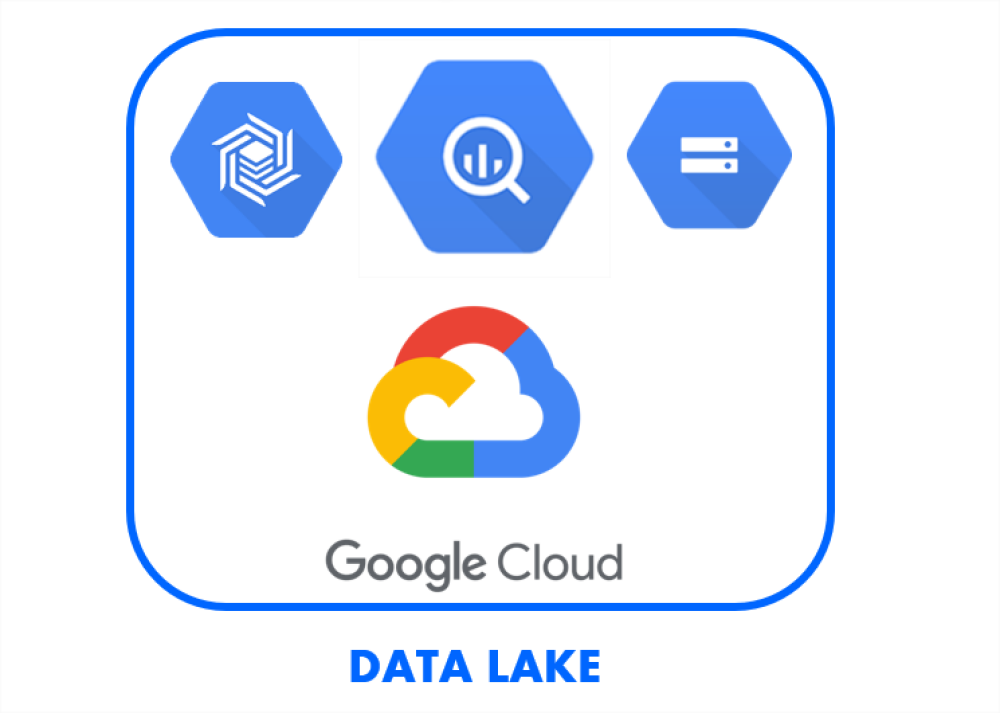 Data Lake Modernization (Hadoop) on GCP
Earned 5월 27, 2022 EDT
Data Lake Modernization (Hadoop) on GCP
Earned 5월 27, 2022 EDT
 Serverless Data Processing with Dataflow: Develop Pipelines
Earned 5월 27, 2022 EDT
Serverless Data Processing with Dataflow: Develop Pipelines
Earned 5월 27, 2022 EDT
 Data Warehousing for Partners: Data Warehouse Migration with BigQuery
Earned 5월 20, 2022 EDT
Data Warehousing for Partners: Data Warehouse Migration with BigQuery
Earned 5월 20, 2022 EDT
 Google Cloud Platform Fundamentals: Core Infrastructure
Earned 5월 19, 2022 EDT
Google Cloud Platform Fundamentals: Core Infrastructure
Earned 5월 19, 2022 EDT
 Data Lake Modernization on Google Cloud
Earned 5월 18, 2022 EDT
Data Lake Modernization on Google Cloud
Earned 5월 18, 2022 EDT
 Inside Track: SQL Server - Advanced
Earned 5월 17, 2022 EDT
Inside Track: SQL Server - Advanced
Earned 5월 17, 2022 EDT
 Smart Analytics, Machine Learning, and AI on Google Cloud - 한국어
Earned 5월 17, 2022 EDT
Smart Analytics, Machine Learning, and AI on Google Cloud - 한국어
Earned 5월 17, 2022 EDT
 Google Cloud에서 스트리밍 데이터 파이프라인 빌드하기
Earned 5월 17, 2022 EDT
Google Cloud에서 스트리밍 데이터 파이프라인 빌드하기
Earned 5월 17, 2022 EDT
 Google Cloud에서 데이터 레이크와 데이터 웨어하우스 빌드하기
Earned 5월 17, 2022 EDT
Google Cloud에서 데이터 레이크와 데이터 웨어하우스 빌드하기
Earned 5월 17, 2022 EDT
 DEPRECATED Exploring APIs
Earned 5월 13, 2022 EDT
DEPRECATED Exploring APIs
Earned 5월 13, 2022 EDT
 Looker에서 LookML 객체 빌드
Earned 5월 11, 2022 EDT
Looker에서 LookML 객체 빌드
Earned 5월 11, 2022 EDT
 Looker에서 고급 LookML 개념 적용하기
Earned 5월 10, 2022 EDT
Looker에서 고급 LookML 개념 적용하기
Earned 5월 10, 2022 EDT
 Looker 대시보드 및 보고서를 위해 데이터 준비하기
Earned 5월 9, 2022 EDT
Looker 대시보드 및 보고서를 위해 데이터 준비하기
Earned 5월 9, 2022 EDT
 BigQuery ML로 ML 모델 만들기
Earned 4월 22, 2022 EDT
BigQuery ML로 ML 모델 만들기
Earned 4월 22, 2022 EDT
 보안 및 ID 기초
Earned 4월 12, 2022 EDT
보안 및 ID 기초
Earned 4월 12, 2022 EDT
 안전한 Google Cloud 네트워크 빌드
Earned 4월 11, 2022 EDT
안전한 Google Cloud 네트워크 빌드
Earned 4월 11, 2022 EDT
 Google Cloud Managed Service for Prometheus 환경 모니터링
Earned 4월 11, 2022 EDT
Google Cloud Managed Service for Prometheus 환경 모니터링
Earned 4월 11, 2022 EDT
 Enterprise Database Migration
Earned 4월 9, 2022 EDT
Enterprise Database Migration
Earned 4월 9, 2022 EDT
 [DEPRECATED] Building Advanced Codeless Pipelines on Cloud Data Fusion
Earned 4월 6, 2022 EDT
[DEPRECATED] Building Advanced Codeless Pipelines on Cloud Data Fusion
Earned 4월 6, 2022 EDT
 Google Cloud 네트워크 설정
Earned 4월 4, 2022 EDT
Google Cloud 네트워크 설정
Earned 4월 4, 2022 EDT
 Google Developer Essentials
Earned 4월 4, 2022 EDT
Google Developer Essentials
Earned 4월 4, 2022 EDT
 DEPRECATED IoT in the Google Cloud
Earned 4월 3, 2022 EDT
DEPRECATED IoT in the Google Cloud
Earned 4월 3, 2022 EDT
 DEPRECATED Applying BigQuery ML's Classification, Regression, and Demand Forecasting for Retail Applications
Earned 4월 2, 2022 EDT
DEPRECATED Applying BigQuery ML's Classification, Regression, and Demand Forecasting for Retail Applications
Earned 4월 2, 2022 EDT
 Document AI로 데이터 캡처 자동화하기
Earned 4월 2, 2022 EDT
Document AI로 데이터 캡처 자동화하기
Earned 4월 2, 2022 EDT
 DEPRECATED Anthos Service Mesh
Earned 4월 2, 2022 EDT
DEPRECATED Anthos Service Mesh
Earned 4월 2, 2022 EDT
 VM Migration
Earned 4월 1, 2022 EDT
VM Migration
Earned 4월 1, 2022 EDT
 DEPRECATED Network Performance and Optimization
Earned 3월 30, 2022 EDT
DEPRECATED Network Performance and Optimization
Earned 3월 30, 2022 EDT
 Baseline: Deploy & Develop
Earned 3월 30, 2022 EDT
Baseline: Deploy & Develop
Earned 3월 30, 2022 EDT
 클라우드 엔지니어링
Earned 3월 29, 2022 EDT
클라우드 엔지니어링
Earned 3월 29, 2022 EDT
 [DEPRECATED] Deploying Applications
Earned 3월 29, 2022 EDT
[DEPRECATED] Deploying Applications
Earned 3월 29, 2022 EDT
 Intermediate ML: TensorFlow on Google Cloud
Earned 3월 28, 2022 EDT
Intermediate ML: TensorFlow on Google Cloud
Earned 3월 28, 2022 EDT
 머신러닝용 BigQuery
Earned 3월 28, 2022 EDT
머신러닝용 BigQuery
Earned 3월 28, 2022 EDT
 Managing Cloud Infrastructure with Terraform
Earned 3월 28, 2022 EDT
Managing Cloud Infrastructure with Terraform
Earned 3월 28, 2022 EDT
 기준: 인프라
Earned 3월 26, 2022 EDT
기준: 인프라
Earned 3월 26, 2022 EDT
 Automate Deployment and Manage Traffic on a Google Cloud Network
Earned 3월 26, 2022 EDT
Automate Deployment and Manage Traffic on a Google Cloud Network
Earned 3월 26, 2022 EDT
 DEPRECATED Google Cloud's Operations Suite
Earned 3월 25, 2022 EDT
DEPRECATED Google Cloud's Operations Suite
Earned 3월 25, 2022 EDT
 Google Cloud의 Kubernetes
Earned 3월 25, 2022 EDT
Google Cloud의 Kubernetes
Earned 3월 25, 2022 EDT
 DEPRECATED Cloud Architecture
Earned 3월 23, 2022 EDT
DEPRECATED Cloud Architecture
Earned 3월 23, 2022 EDT
 Cloud Data Fusion에서 노 코드 파이프라인 빌드하기
Earned 2월 24, 2022 EST
Cloud Data Fusion에서 노 코드 파이프라인 빌드하기
Earned 2월 24, 2022 EST
 Getting Started with Apache Kafka and Confluent Platform on Google Cloud
Earned 1월 29, 2022 EST
Getting Started with Apache Kafka and Confluent Platform on Google Cloud
Earned 1월 29, 2022 EST
 Deprecated Kubernetes Solutions
Earned 1월 19, 2022 EST
Deprecated Kubernetes Solutions
Earned 1월 19, 2022 EST
 DEPRECATED Windows on Google Cloud
Earned 1월 17, 2022 EST
DEPRECATED Windows on Google Cloud
Earned 1월 17, 2022 EST
 기준: 데이터, ML, AI
Earned 1월 17, 2022 EST
기준: 데이터, ML, AI
Earned 1월 17, 2022 EST
 Understanding LookML in Looker
Earned 1월 16, 2022 EST
Understanding LookML in Looker
Earned 1월 16, 2022 EST
 DEPRECATED Google Cloud Solutions II: Data and Machine Learning
Earned 1월 16, 2022 EST
DEPRECATED Google Cloud Solutions II: Data and Machine Learning
Earned 1월 16, 2022 EST
 Sports Analytics: Pitch Perfect BigQuery
Earned 1월 15, 2022 EST
Sports Analytics: Pitch Perfect BigQuery
Earned 1월 15, 2022 EST
 Database Migration Service로 MySQL 데이터를 Cloud SQL로 마이그레이션하기
Earned 1월 14, 2022 EST
Database Migration Service로 MySQL 데이터를 Cloud SQL로 마이그레이션하기
Earned 1월 14, 2022 EST
 Migrating MySQL data to Cloud SQL using Database Migration Service
Earned 1월 14, 2022 EST
Migrating MySQL data to Cloud SQL using Database Migration Service
Earned 1월 14, 2022 EST
 Google Cloud 기초: 핵심 인프라
Earned 1월 13, 2022 EST
Google Cloud 기초: 핵심 인프라
Earned 1월 13, 2022 EST
 Scientific Data Processing
Earned 1월 13, 2022 EST
Scientific Data Processing
Earned 1월 13, 2022 EST
 DEPRECATED Applied Data: Blockchain
Earned 1월 12, 2022 EST
DEPRECATED Applied Data: Blockchain
Earned 1월 12, 2022 EST
 Data Science on Google Cloud
Earned 1월 11, 2022 EST
Data Science on Google Cloud
Earned 1월 11, 2022 EST
 DEPRECATED BigQuery for Marketing Analysts
Earned 1월 10, 2022 EST
DEPRECATED BigQuery for Marketing Analysts
Earned 1월 10, 2022 EST
 Dataflow를 사용한 서버리스 데이터 처리: 기초
Earned 1월 10, 2022 EST
Dataflow를 사용한 서버리스 데이터 처리: 기초
Earned 1월 10, 2022 EST
 Google Cloud Big Data and Machine Learning Fundamentals - 한국어
Earned 1월 10, 2022 EST
Google Cloud Big Data and Machine Learning Fundamentals - 한국어
Earned 1월 10, 2022 EST
 Preparing for your Professional Data Engineer Journey
Earned 1월 8, 2022 EST
Preparing for your Professional Data Engineer Journey
Earned 1월 8, 2022 EST
 DEPRECATED Create Conversational AI Agents with Dialogflow CX
Earned 12월 11, 2021 EST
DEPRECATED Create Conversational AI Agents with Dialogflow CX
Earned 12월 11, 2021 EST
 DEPRECATED Application Development - Python
Earned 7월 27, 2020 EDT
DEPRECATED Application Development - Python
Earned 7월 27, 2020 EDT
 NCAA® March Madness®: Bracketology with Google Cloud
Earned 7월 24, 2020 EDT
NCAA® March Madness®: Bracketology with Google Cloud
Earned 7월 24, 2020 EDT
 DEPRECATED BigQuery for Data Analysis
Earned 7월 24, 2020 EDT
DEPRECATED BigQuery for Data Analysis
Earned 7월 24, 2020 EDT
 DEPRECATED BigQuery Basics for Data Analysts
Earned 7월 24, 2020 EDT
DEPRECATED BigQuery Basics for Data Analysts
Earned 7월 24, 2020 EDT
 Data Catalog Fundamentals
Earned 7월 24, 2020 EDT
Data Catalog Fundamentals
Earned 7월 24, 2020 EDT
 BigQuery ML을 사용한 예측 모델링을 위한 데이터 엔지니어링
Earned 7월 24, 2020 EDT
BigQuery ML을 사용한 예측 모델링을 위한 데이터 엔지니어링
Earned 7월 24, 2020 EDT
 [DEPRECATED] Data Engineering
Earned 7월 24, 2020 EDT
[DEPRECATED] Data Engineering
Earned 7월 24, 2020 EDT
 DEPRECATED BigQuery for Data Warehousing
Earned 7월 23, 2020 EDT
DEPRECATED BigQuery for Data Warehousing
Earned 7월 23, 2020 EDT
 Cloud SQL
Earned 7월 22, 2020 EDT
Cloud SQL
Earned 7월 22, 2020 EDT
 Compute Engine에서 Cloud Load Balancing 구현하기
Earned 7월 22, 2020 EDT
Compute Engine에서 Cloud Load Balancing 구현하기
Earned 7월 22, 2020 EDT
 Google Cloud 필수 정보
Earned 7월 22, 2020 EDT
Google Cloud 필수 정보
Earned 7월 22, 2020 EDT