ラボの設定手順と要件
アカウントと進行状況を保護します。このラボを実行するには、常にシークレット ブラウジング ウィンドウとラボの認証情報を使用してください。

Terraform Essentials: Firewall Policy

ラボ 30分 universal_currency_alt クレジット: 1 show_chart 入門
info このラボでは、学習をサポートする AI ツールが組み込まれている場合があります。
このコンテンツはまだモバイル デバイス向けに最適化されていません。
快適にご利用いただくには、メールで送信されたリンクを使用して、デスクトップ パソコンでアクセスしてください。

gem-terraform-fw-rule-create

Google Cloud self-paced labs logo

Activate Cloud Shell

Cloud Shell is a virtual machine that is loaded with development tools. It offers a persistent 5GB home directory and runs on the Google Cloud. Cloud Shell provides command-line access to your Google Cloud resources.

  1. Click Activate Cloud Shell Activate Cloud Shell icon at the top of the Google Cloud console.

When you are connected, you are already authenticated, and the project is set to your PROJECT_ID. The output contains a line that declares the PROJECT_ID for this session:

Your Cloud Platform project in this session is set to YOUR_PROJECT_ID

gcloud is the command-line tool for Google Cloud. It comes pre-installed on Cloud Shell and supports tab-completion.

  1. (Optional) You can list the active account name with this command:
gcloud auth list
  1. Click Authorize.

  2. Your output should now look like this:

Output:

ACTIVE: * ACCOUNT: student-01-xxxxxxxxxxxx@qwiklabs.net To set the active account, run: $ gcloud config set account `ACCOUNT`
  1. (Optional) You can list the project ID with this command:
gcloud config list project

Output:

[core] project = <project_ID>

Example output:

[core] project = qwiklabs-gcp-44776a13dea667a6 Note: For full documentation of gcloud, in Google Cloud, refer to the gcloud CLI overview guide.

Overview

This lab guides you through creating a firewall rule in Google Cloud using Terraform. You will learn how to define a firewall rule resource, configure its properties, and apply it to your Google Cloud project. This lab assumes you have a basic understanding of Google Cloud and Terraform.

Task 1. Configure Google Cloud Project

Before you begin, configure your Google Cloud project. This includes setting the project ID, region, and zone. Also, enable the IAM API.

  1. Set your Project ID:

    gcloud config set project {{{ project_0.project_id | "PROJECT_ID" }}} Note:
    This command sets your active project.
  2. Set your default region to

    gcloud config set compute/region {{{ project_0.default_region | "REGION" }}} Note:
    This command sets your active compute region.
  3. Set your default zone to

    gcloud config set compute/zone {{{ project_0.default_zone | "ZONE" }}} Note:
    This command sets your active compute zone.

Task 2. Create a Cloud Storage Bucket for Terraform State

Terraform uses a state file to track the resources it manages. For collaboration and persistence, it's best to store this state file in a remote backend like Google Cloud Storage (GCS).

  1. Create a Cloud Storage bucket. Ensure the bucket name is globally unique and prefixed with your project ID:

    gcloud storage buckets create gs://{{{ project_0.project_id | "PROJECT_ID" }}}-tf-state --project={{{ project_0.project_id | "PROJECT_ID" }}} --location={{{ project_0.default_region | "REGION" }}} --uniform-bucket-level-access Note:
    This command creates a Cloud Storage bucket in the specified region to store the Terraform state file.
  2. Enable versioning on the GCS bucket:

    gsutil versioning set on gs://{{{ project_0.project_id | "PROJECT_ID" }}}-tf-state Note:
    This enables versioning on the bucket.

Task 3. Defining the Firewall Rule in Terraform

Now, you will define the firewall rule using Terraform's configuration language.

  1. Create a new directory for your Terraform configuration files.

    mkdir terraform-firewall && cd $_ Note:
    This creates a new directory and changes the current directory to it.
  2. Create a file named firewall.tf and add the following code to define a firewall rule that allows SSH traffic (port 22) to instances with the tag ssh-allowed.

    resource "google_compute_firewall" "allow_ssh" { name = "allow-ssh-from-anywhere" network = "default" project = "{{{ project_0.project_id | "PROJECT_ID" }}}" allow { protocol = "tcp" ports = ["22"] } source_ranges = ["0.0.0.0/0"] target_tags = ["ssh-allowed"] } Note:
    This configuration creates a firewall rule named `allow-ssh-from-anywhere` that allows TCP traffic on port 22 from any source IP address (0.0.0.0/0) to instances tagged with `ssh-allowed`.
  3. Create a variables.tf file to define variables used in firewall.tf and main.tf.

    variable "project_id" { type = string default = "{{{ project_0.project_id | "PROJECT_ID" }}}" } variable "bucket_name" { type = string default = "{{{ project_0.project_id | "PROJECT_ID" }}}-tf-state" } variable "region" { type = string default = "{{{ project_0.default_region | "REGION" }}}" } Note:
    This creates variables for the project ID, bucket name, and region.
  4. Create an outputs.tf file to output the firewall rule name.

    output "firewall_name" { value = google_compute_firewall.allow_ssh.name } Note:
    This outputs the name of the firewall rule.

Task 4. Applying the Terraform Configuration

Now you will apply the Terraform configuration to create the firewall rule in your Google Cloud project.

  1. Run terraform init to enable Terraform.

    terraform init Note:
    This command downloads the Terraform provider for the configuration files.
  2. Run terraform plan to preview the changes Terraform will make.

    terraform plan Note:
    This command shows the planned changes without applying them.
  3. Run terraform apply to apply the configuration and create the firewall rule.

    terraform apply Note:
    Type `yes` when prompted to confirm the changes.
  4. Verify that the firewall rule has been created in the Google Cloud Console.

    Navigate to **VPC network > Firewall** in the Google Cloud Console and verify the existence of the `allow-ssh-from-anywhere` firewall rule. Note:
    This is a manual verification step.

Task 5. Cleaning Up Resources

To avoid incurring unnecessary costs, destroy the resources created in this lab.

  1. Run terraform destroy to remove the firewall rule.

    terraform destroy Note:
    Type `yes` when prompted to confirm the destruction.

Congratulations!

You have successfully created and destroyed a firewall rule in Google Cloud using Terraform. You have learned how to define firewall rules as code, manage their properties, and apply them to your Google Cloud project. This approach enables you to automate and manage your infrastructure in a consistent and repeatable manner.

Additional Resources

Manual Last Updated Jul 22, 2025

Lab Last Tested Jul 22, 2025

始める前に

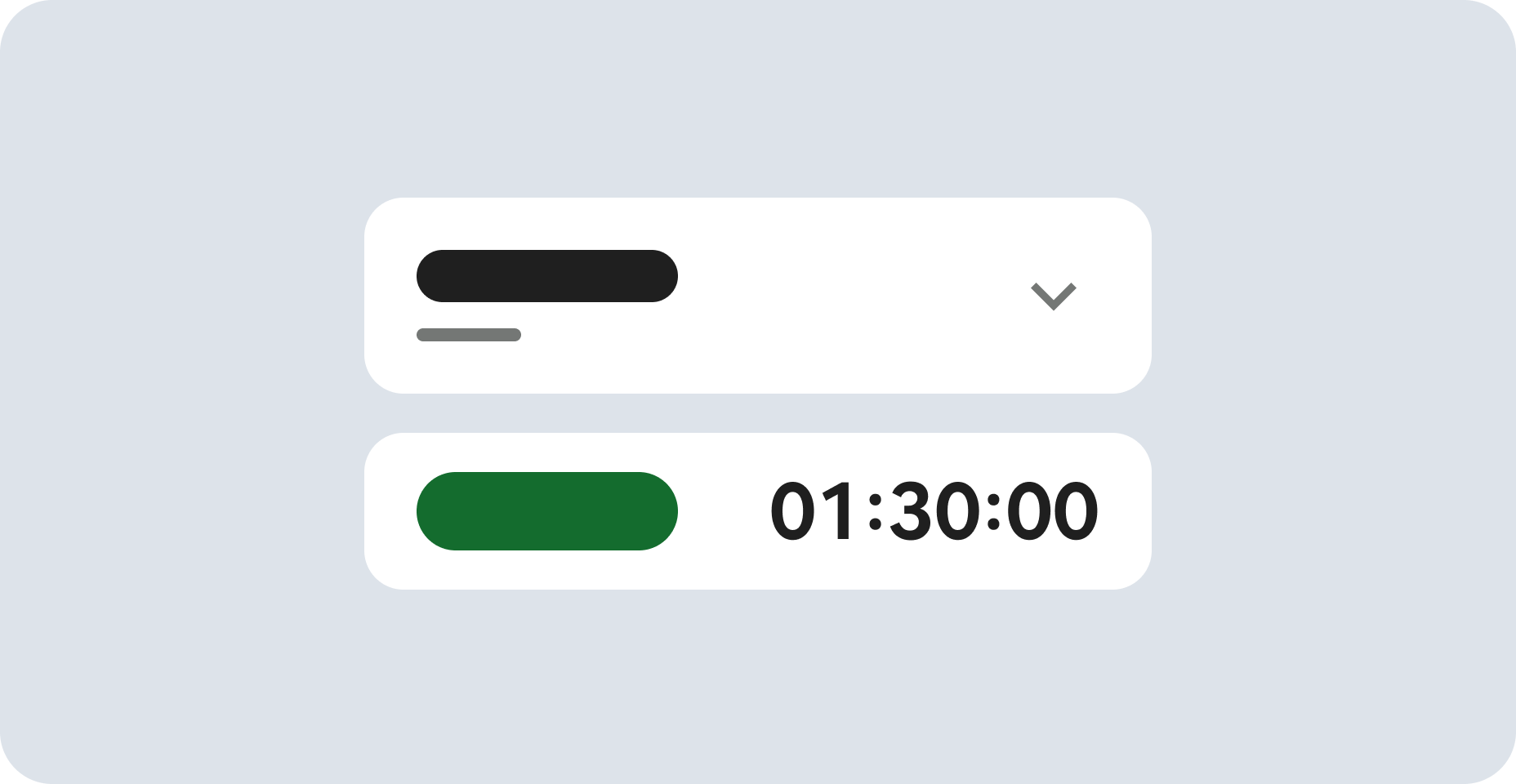
  1. ラボでは、Google Cloud プロジェクトとリソースを一定の時間利用します
  2. ラボには時間制限があり、一時停止機能はありません。ラボを終了した場合は、最初からやり直す必要があります。
  3. 画面左上の [ラボを開始] をクリックして開始します

シークレット ブラウジングを使用する

  1. ラボで使用するユーザー名パスワードをコピーします
  2. プライベート モードで [コンソールを開く] をクリックします

コンソールにログインする

    ラボの認証情報を使用して
  1. ログインします。他の認証情報を使用すると、エラーが発生したり、料金が発生したりする可能性があります。
  2. 利用規約に同意し、再設定用のリソースページをスキップします
  3. ラボを終了する場合や最初からやり直す場合を除き、[ラボを終了] はクリックしないでください。クリックすると、作業内容がクリアされ、プロジェクトが削除されます

このコンテンツは現在ご利用いただけません

利用可能になりましたら、メールでお知らせいたします
ありがとうございます。

利用可能になりましたら、メールでご連絡いたします
1 回に 1 つのラボ

既存のラボをすべて終了して、このラボを開始することを確認してください

シークレット ブラウジングを使用してラボを実行する

このラボを実行するには、シークレット モードまたはシークレット ブラウジング ウィンドウを使用することをおすすめします。これにより、個人アカウントと受講者アカウントの競合を防ぎ、個人アカウントに追加料金が発生することを防ぎます。