Este conteúdo ainda não foi otimizado para dispositivos móveis.
Para aproveitar a melhor experiência, acesse nosso site em um computador desktop usando o link enviado a você por e-mail.
Overview
In this lab, you learn how to set up preprocessing to ensure reproducibility in production, and then delve into ways to implement a variety of preprocessing operations in Keras/TensorFlow. You also learn how to carry out data augmentation to improve the model's resilience and accuracy.
Learning objectives
You learn how to apply data augmentation in two ways:
Understand how to set up preprocessing to ensure reproducibility in production.
Understand how to carry out data augmentation to improve the model's resilience and accuracy.
Setup and requirements
For each lab, you get a new Google Cloud project and set of resources for a fixed time at no cost.
Sign in to Google Skills using an incognito window.
Note the lab's access time (for example, 1:15:00), and make sure you can finish within that time.
There is no pause feature. You can restart if needed, but you have to start at the beginning.
When ready, click Start lab.
Note your lab credentials (Username and Password). You will use them to sign in to the Google Cloud Console.
Click Open Google Console.
Click Use another account and copy/paste credentials for this lab into the prompts.
If you use other credentials, you'll receive errors or incur charges.
Accept the terms and skip the recovery resource page.
Enable the Notebooks API
In the Google Cloud Console, on the Navigation menu, click APIs & Services > Library.
Search for Notebooks API and press ENTER.
Click on the Notebooks API result, and if the API is not enabled, click Enable.
Enable the Vertex AI API
In the Google Cloud Console, on the Navigation menu, click APIs & Services > Library.
Search for Vertex AI API and press ENTER.
Click on the Vertex AI API result, and if the API is not enabled, click Enable.
Enable the Notebooks API and Vertex AI API.
Task 1. Launch a Vertex AI Notebooks instance
In the Google Cloud console, from the Navigation menu (), select Vertex AI > Dashboard.
Click Enable All Recommended APIs.
In the Navigation menu, click Workbench.
At the top of the Workbench page, ensure you are in the Instances view.
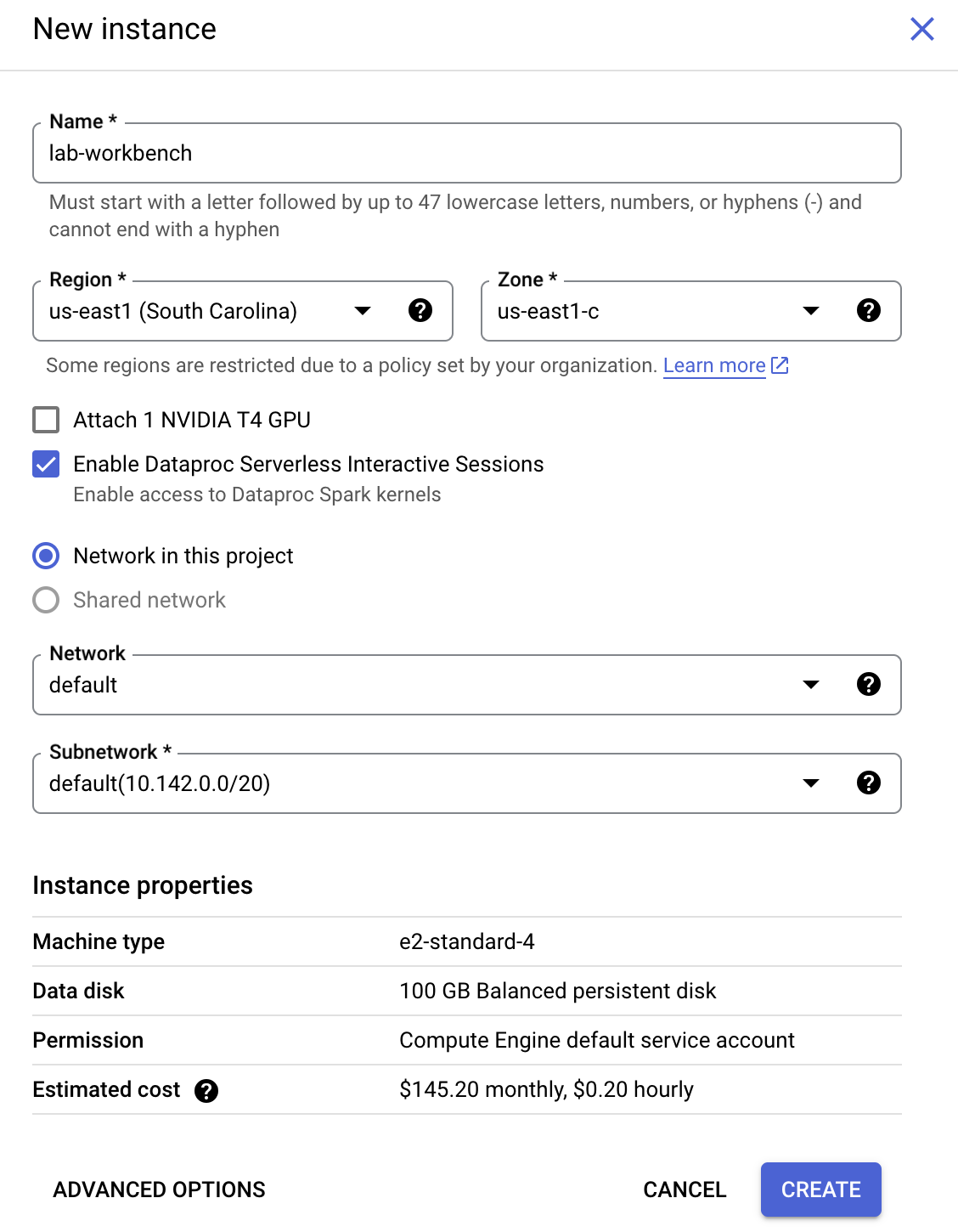
Click Create New.
Configure the Instance:
Name: lab-workbench
Region: Set the region to
Zone: Set the zone to
Advanced Options (Optional): If needed, click "Advanced Options" for further customization (e.g., machine type, disk size).
Click Create.
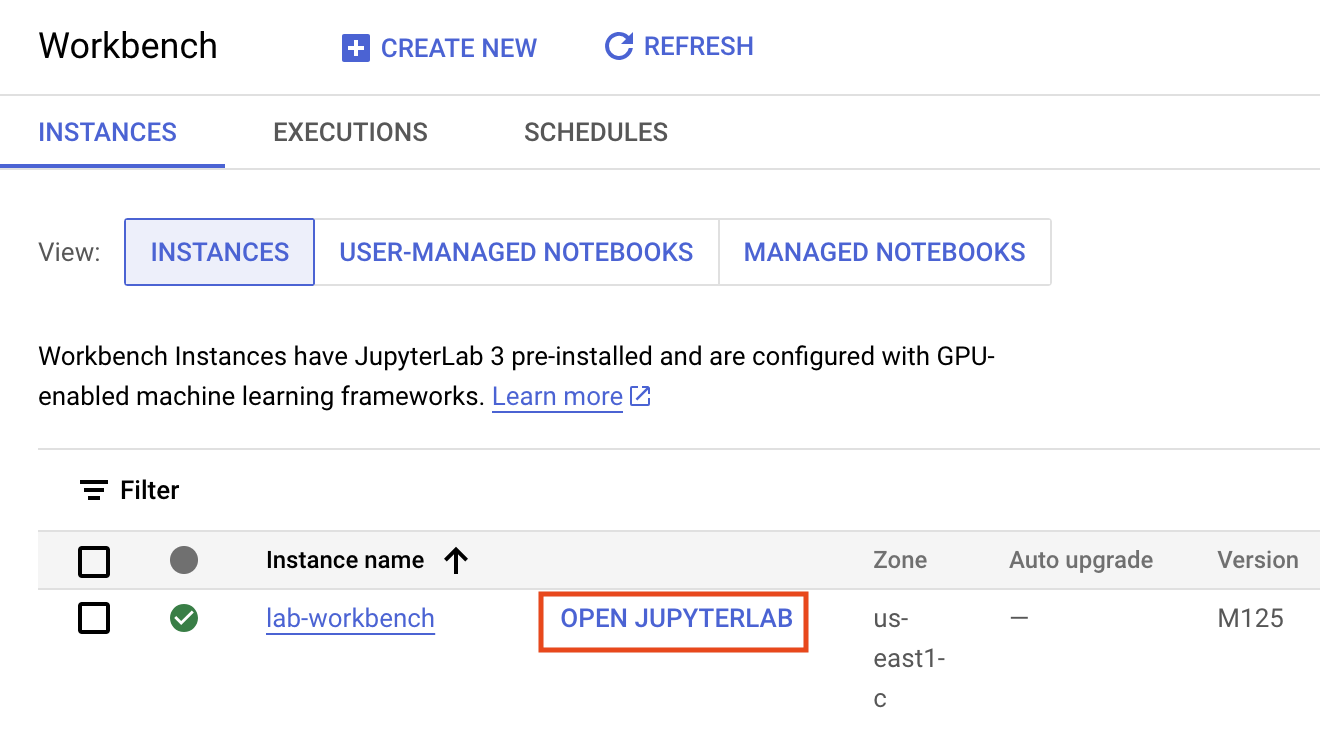
This will take a few minutes to create the instance. A green checkmark will appear next to its name when it's ready.
Click OPEN JUPYTERLAB next to the instance name to launch the JupyterLab interface. This will open a new tab in your browser.
Create Vertex AI Platform Notebooks instance.
Task 2. Clone a course repo within your Vertex AI Platform Notebooks instance
To clone the training-data-analyst notebook in your JupyterLab instance:
Step 1
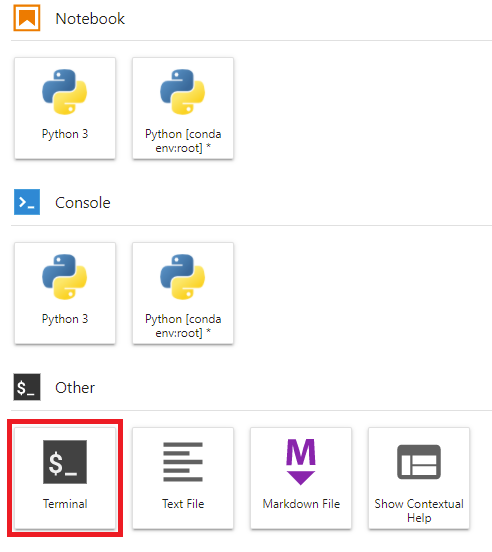
In JupyterLab, click the Terminal icon to open a new terminal.
Step 2
At the command-line prompt, type in the following command and press Enter.
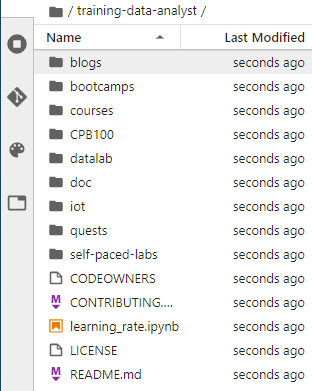
Confirm that you have cloned the repository by double clicking on the training-data-analyst directory and ensuring that you can see its contents. The files for all the Jupyter notebook-based labs throughout this course are available in this directory.
Clone course repo within your Vertex AI Platform Notebooks instance.
Task 3. Classify images using data augmentation
In the notebook interface, navigate to training-data-analyst > courses > machine_learning > deepdive2 > computer_vision_fun > labs and open classifying_images_using_data_augmentation.ipynb.
In the notebook interface, click Edit > Clear All Outputs.
In the JupyterLab menu bar click Kernel > Change Kernel, select Tensorflow 2.11, and then click Select.
Carefully read through the notebook instructions and fill in lines marked with #TODO where you need to complete the code.
Tip: To run the current cell, click the cell and press SHIFT+ENTER. Other cell commands are listed in the notebook UI under Run.
Hints may also be provided for the tasks to guide you. Highlight the text to read the hints, which are in white text.
To view the complete solution, navigate to training-data-analyst > courses > machine_learning > deepdive2 > computer_vision_fun > solutions and open classifying_images_using_data_augmentation.ipynb.
Classify images using data augmentation.
End your lab
When you have completed your lab, click End Lab. Google Skills removes the resources you’ve used and cleans the account for you.
You will be given an opportunity to rate the lab experience. Select the applicable number of stars, type a comment, and then click Submit.
The number of stars indicates the following:
1 star = Very dissatisfied
2 stars = Dissatisfied
3 stars = Neutral
4 stars = Satisfied
5 stars = Very satisfied
You can close the dialog box if you don't want to provide feedback.
For feedback, suggestions, or corrections, please use the Support tab.
Copyright 2026 Google LLC All rights reserved. Google and the Google logo are trademarks of Google LLC. All other company and product names may be trademarks of the respective companies with which they are associated.
Os laboratórios criam um projeto e recursos do Google Cloud por um período fixo
Os laboratórios têm um limite de tempo e não têm o recurso de pausa. Se você encerrar o laboratório, vai precisar recomeçar do início.
No canto superior esquerdo da tela, clique em Começar o laboratório
Usar a navegação anônima
Copie o nome de usuário e a senha fornecidos para o laboratório
Clique em Abrir console no modo anônimo
Fazer login no console
Faça login usando suas credenciais do laboratório. Usar outras credenciais pode causar erros ou gerar cobranças.
Aceite os termos e pule a página de recursos de recuperação
Não clique em Terminar o laboratório a menos que você tenha concluído ou queira recomeçar, porque isso vai apagar seu trabalho e remover o projeto
Este conteúdo não está disponível no momento
Você vai receber uma notificação por e-mail quando ele estiver disponível
Ótimo!
Vamos entrar em contato por e-mail se ele ficar disponível
Um laboratório por vez
Confirme para encerrar todos os laboratórios atuais e iniciar este
Use a navegação anônima para executar o laboratório
A melhor maneira de executar este laboratório é usando uma janela de navegação anônima
ou privada. Isso evita conflitos entre sua conta pessoal
e a conta de estudante, o que poderia causar cobranças extras
na sua conta pessoal.
In this lab, you learn how to carry out data augmentation to improve the models resilience and accuracy.
Duração:
Configuração: 0 minutos
·
Tempo de acesso: 90 minutos
·
Tempo para conclusão: 90 minutos


 ), select Vertex AI > Dashboard.
 Create New.