

Before you begin
- Labs create a Google Cloud project and resources for a fixed time
- Labs have a time limit and no pause feature. If you end the lab, you'll have to restart from the beginning.
- On the top left of your screen, click Start lab to begin

Confirm that a Google Cloud Storage bucket exists that contains a file
/ 5
Confirm that a Compute instance has been created
/ 5
Confirm that a HTTP access firewall rule exists that applies to that virtual machine
/ 5
Connect to the server ip-address using HTTP and get a non-error response
/ 5

This lab is similar to a Challenge Lab in the "Challenge: GCP Architecture" Quest.
In this Challenge Lab you must complete a series of tasks within a limited time period. Instead of following step-by-step instructions, you'll be given a scenario and task - you figure out how to complete it on your own! An automated scoring system (shown on this page) will provide feedback on whether you have completed your tasks correctly.
To score 100% you must complete all tasks within the time period!
When you take a Challenge Lab, you will not be taught GCP concepts. You'll need to use your advanced Google Compute Engine (GCE) skills to assess how to build the solution to the challenge presented. This lab is only recommended for students who have GCE skills. Are you up for the challenge?
For each lab, you get a new Google Cloud project and set of resources for a fixed time at no cost.
Sign in to Google Skills using an incognito window.
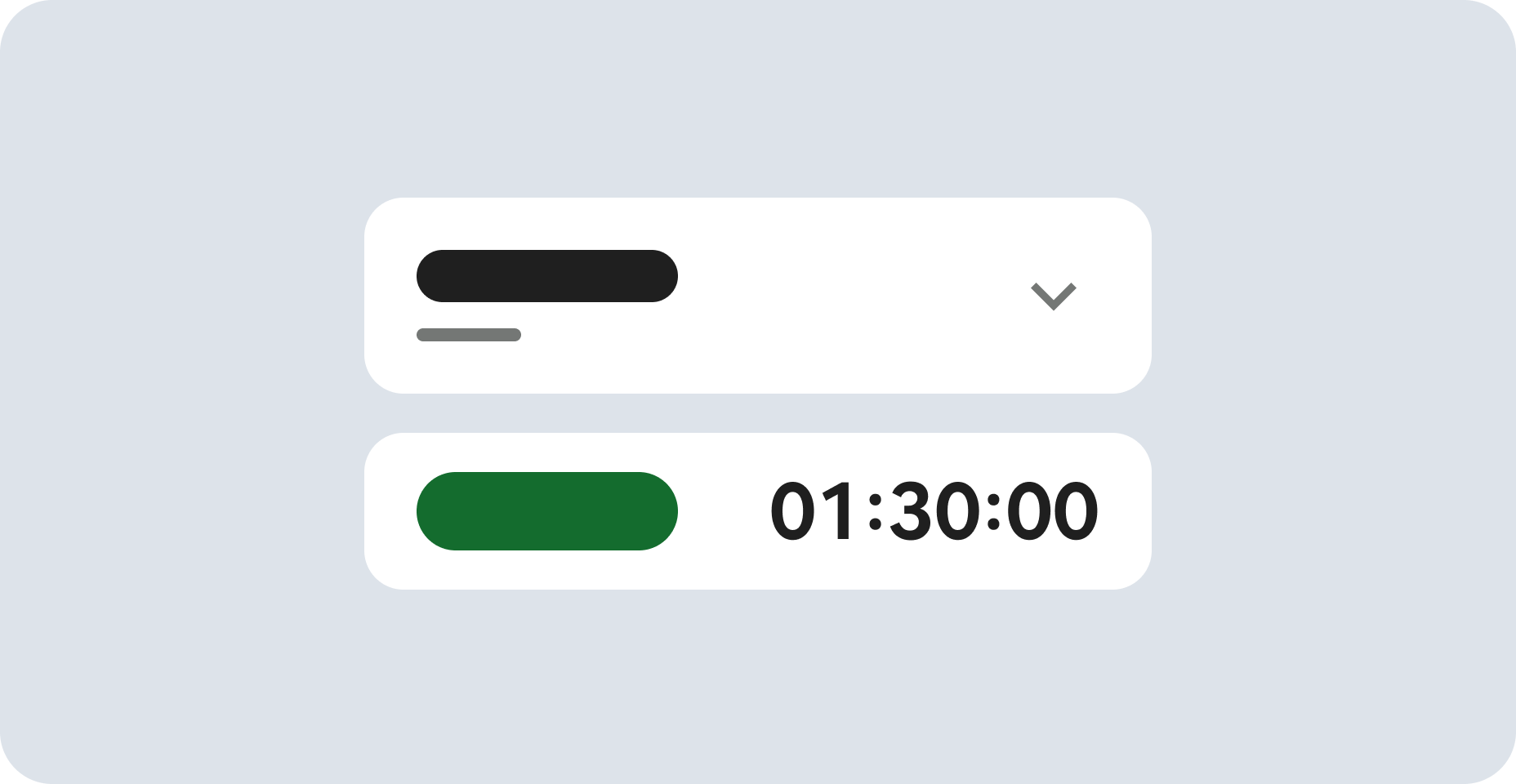
Note the lab's access time (for example, 1:15:00), and make sure you can finish within that time.
There is no pause feature. You can restart if needed, but you have to start at the beginning.
When ready, click Start lab.
Note your lab credentials (Username and Password). You will use them to sign in to the Google Cloud Console.
Click Open Google Console.
Click Use another account and copy/paste credentials for this lab into the prompts. If you use other credentials, you'll receive errors or incur charges.
Accept the terms and skip the recovery resource page.
Google Cloud Shell is a virtual machine that is loaded with development tools. It offers a persistent 5GB home directory and runs on the Google Cloud.
Google Cloud Shell provides command-line access to your Google Cloud resources.
In Cloud console, on the top right toolbar, click the Open Cloud Shell button.
Click Continue.
It takes a few moments to provision and connect to the environment. When you are connected, you are already authenticated, and the project is set to your PROJECT_ID. For example:
gcloud is the command-line tool for Google Cloud. It comes pre-installed on Cloud Shell and supports tab-completion.
Output:
Example output:
Output:
Example output:
You have been given the responsibility of managing the configuration of your organization's Google Cloud virtual machines. You have decided to make some changes to the framework used for managing the deployment and configuration machines - you want to make it easier to modify the startup scripts used to initialize a number of the compute instances. Instead of storing startup scripts directly in the instances metadata, you have decided to store the scripts in a Cloud Storage bucket and then configure the virtual machines to point to the relevant script file in the bucket.
A basic bash script that installs the Apache web server software called install-web.sh has been provided for you as a sample startup script. You can download this from the Student Resources links on the left side of the page.
Configure a Linux Google Compute Engine instance that installs the Apache web server software using a remote startup script. In order to confirm that Apache has successfully installed, the Compute Engine instance must be accessible via HTTP from the internet.
Click Check my progress to verify the objective.
Click Check my progress to verify the objective.
Check permissions. Your Compute Engine instance might not have the correct permissions required to read the startup-script from the storage bucket. The virtual machine needs to be given permissions that align with the storage permissions.
Check firewalls. If the startup script has installed the software you may be unable to connect if a firewall has not been correctly configured.
Click Check my progress to verify the objective.
http://[EXTERNAL_IP] rather than https://[EXTERNAL_IP] or http://[INTERNAL_IP].Click Check my progress to verify the objective.
When you have completed your lab, click End Lab. Google Skills removes the resources you’ve used and cleans the account for you.
You will be given an opportunity to rate the lab experience. Select the applicable number of stars, type a comment, and then click Submit.
The number of stars indicates the following:
You can close the dialog box if you don't want to provide feedback.
For feedback, suggestions, or corrections, please use the Support tab.
Copyright 2026 Google LLC All rights reserved. Google and the Google logo are trademarks of Google LLC. All other company and product names may be trademarks of the respective companies with which they are associated.


This content is not currently available
We will notify you via email when it becomes available
Great!
We will contact you via email if it becomes available
One lab at a time
Confirm to end all existing labs and start this one